Scenes · 07
街道与城市Streets & Cities

Scene dialogues
01问路Asking for directionsHSK 1
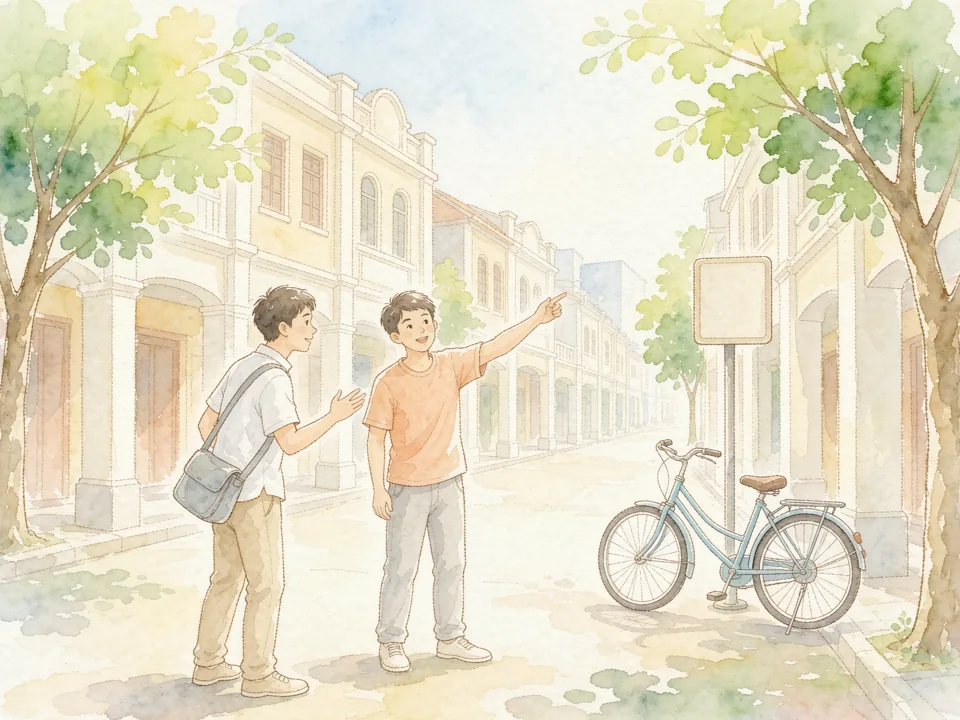
nǐ wǎng qián zǒu , dào dì èr gè lù kǒu wǎng zuǒ guǎi 。
Go straight ahead, then turn left at the second intersection.
gù gōng jiù zài tiān ān mén páng biān , nǐ dào le tiān ān mén jiù kàn dào le 。
The Forbidden City is right next to Tiananmen. You'll see it once you get there.
02坐地铁去上班Taking the subway to workHSK 2
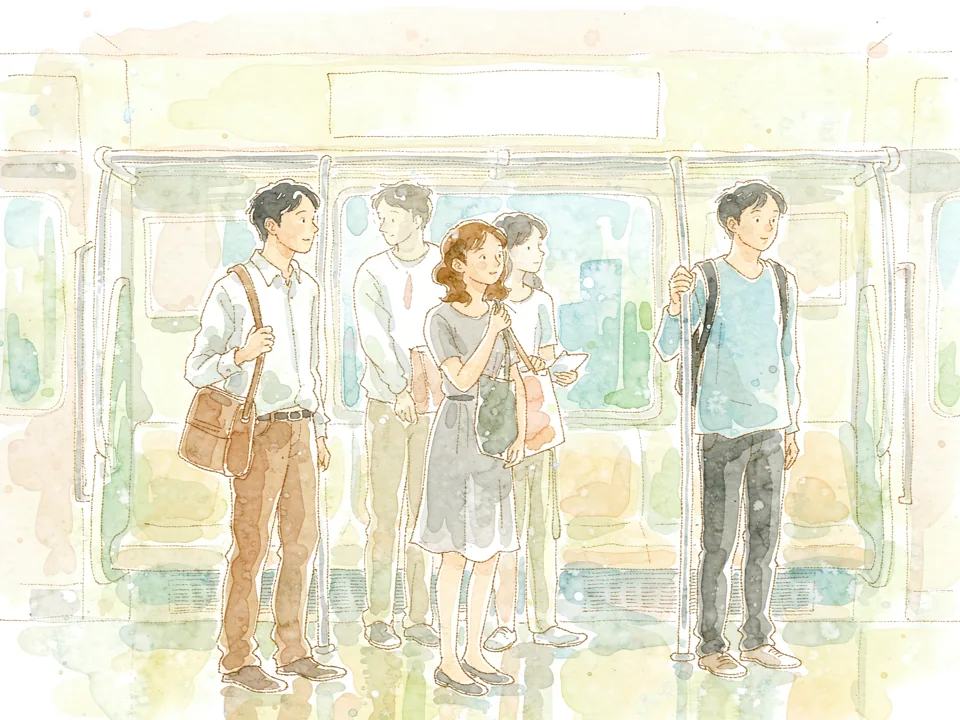
wǒ zuò dì tiě , èr hào xiàn dào rén mín guǎng chǎng zhàn , zài huàn yī hào xiàn , liǎng zhàn jiù dào le 。
I take the subway — Line 2 to People's Square station, then transfer to Line 1, and it's just two more stops.
dà gài sì shí fēn zhōng 。 dì tiě hěn zhǔn shí , bǐ gōng jiāo fāng biàn duō le 。
About forty minutes. The subway is very punctual, much more convenient than the bus.
大学路的话,你可以坐十号线,在市中心换乘二号线,三站就到公司了。
dà xué lù de huà , nǐ kě yǐ zuò shí hào xiàn , zài shì zhōng xīn huàn chéng èr hào xiàn , sān zhàn jiù dào gōng sī le 。
From University Road, you can take Line 10, transfer to Line 2 downtown, and it's three stops to the office.
你可以办一张交通卡,刷卡进站,不用每次买票。而且刷卡有折扣。
nǐ kě yǐ bàn yì zhāng jiāo tōng kǎ , shuā kǎ jìn zhàn , bú yòng měi cì mǎi piào 。 ér qiě shuā kǎ yǒu zhé kòu 。
You can get a transit card. Just swipe it to enter — no need to buy tickets each time. Plus there's a discount for using the card.
dì tiě zhàn de fú wù tái jiù néng bàn , dài shàng shēn fèn zhèng jiù xíng 。
At the service desk in any subway station. Just bring your ID.
zǎo gāo fēng qī diǎn bàn dào jiǔ diǎn , fēi cháng yōng jǐ 。 wǒ yì bān qī diǎn chū mén , bì kāi gāo fēng qī 。
Rush hour is from 7:30 to 9 — it's very crowded. I usually leave at 7 to avoid it.
Words · 6
03开车导航去朋友家Driving to a friend’s place with navigationHSK 3
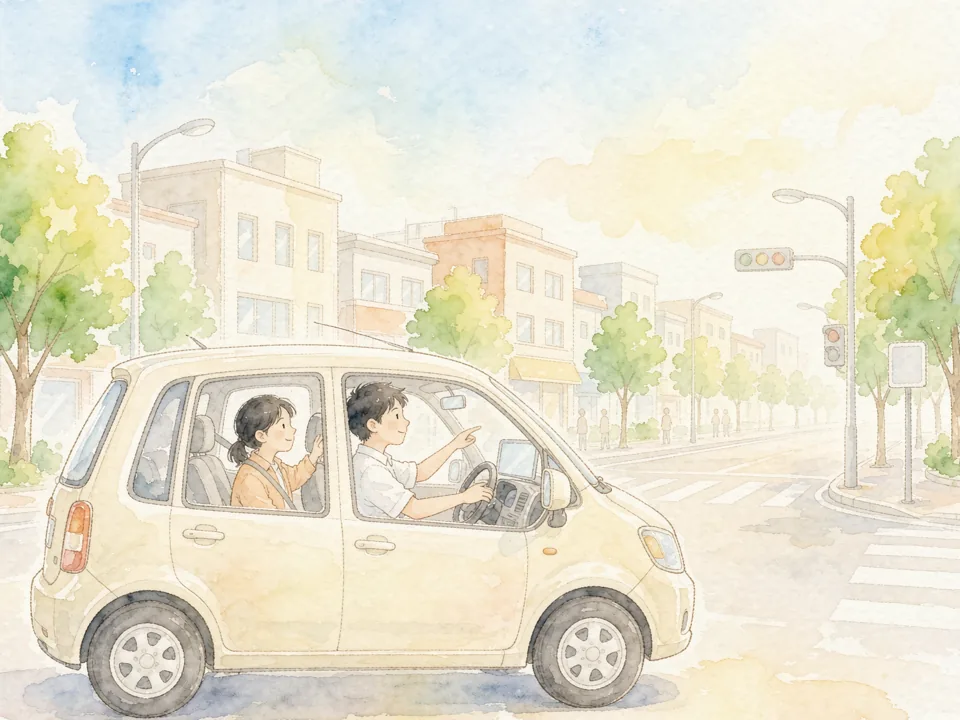
nǐ cóng gōng sī chū lái wǎng dōng zǒu , dào dì èr gè hóng lǜ dēng yòu zhuǎn , shàng gāo jià qiáo 。
Head east from your office, turn right at the second traffic light, and get on the overpass.
yán zhe gāo jià yì zhí zǒu , dà gài wǔ gōng lǐ , zài chéng běi chū kǒu xià gāo jià 。
Follow the overpass for about five kilometers, then take the North City exit.
下高架之后沿着大马路往前走,过两个红绿灯就能看到我们的阳光小区,在路的左边。
xià gāo jià zhī hòu yán zhe dà mǎ lù wǎng qián zǒu , guò liǎng gè hóng lǜ dēng jiù néng kàn dào wǒ men de yáng guāng xiǎo qū , zài lù de zuǒ biān 。
After the exit, follow the main road straight ahead. After two traffic lights, you'll see our Sunshine Compound on the left.
有,地下停车场。你从大门进去,右手边就是入口。停车费一小时五块钱。
yǒu , dì xià tíng chē chǎng 。 nǐ cóng dà mén jìn qù , yòu shǒu biān jiù shì rù kǒu 。 tíng chē fèi yì xiǎo shí wǔ kuài qián 。
Yes, underground parking. Go through the main gate and the entrance is on the right. Parking is five yuan per hour.
周末应该还好,不过市中心可能有点堵。你走环城路绕一下可能更快。
zhōu mò yīng gāi hái hǎo , bú guò shì zhōng xīn kě néng yǒu diǎn dǔ 。 nǐ zǒu huán chéng lù rào yí xià kě néng gèng kuài 。
It should be fine on the weekend, but downtown might be a bit congested. Taking the ring road might be faster.
nà jiù chà bù duō 。 lù shang zhù yì ān quán , dào le gěi wǒ dǎ diàn huà 。
That sounds about right. Drive safely and call me when you arrive.
Words · 6
04城市规划与交通发展Urban planning and transport developmentHSK 5
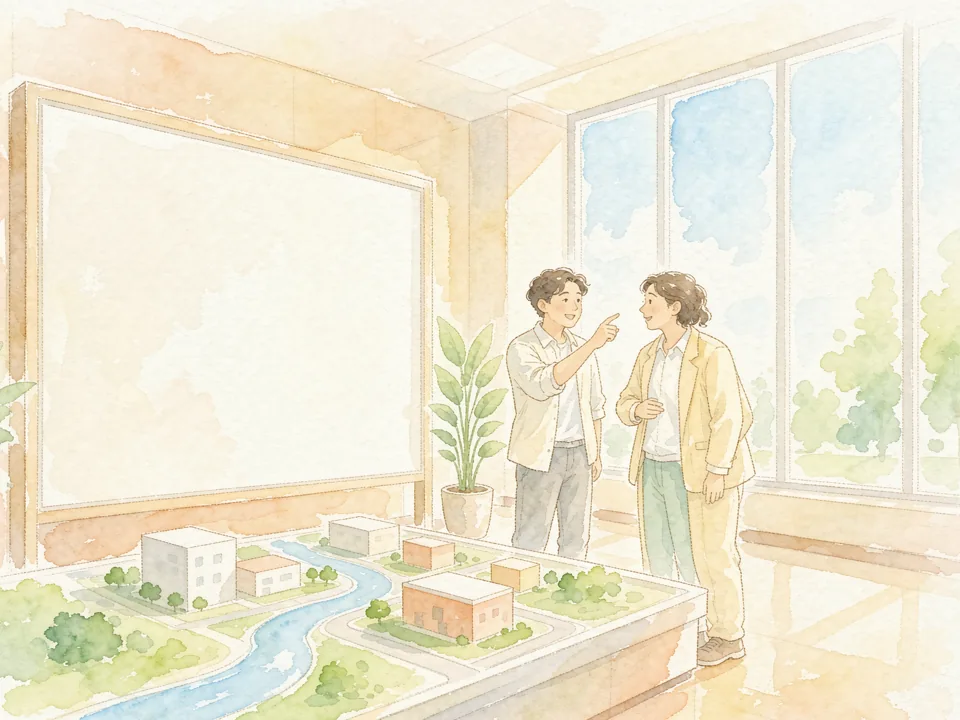
确实。我刚来的时候只有一条地铁线,现在已经有六条了,而且还在建新的。
què shí 。 wǒ gāng lái de shí hòu zhī yǒu yì tiáo dì tiě xiàn , xiàn zài yǐ jīng yǒu liù tiáo le , ér qiě hái zài jiàn xīn de 。
Definitely. When I first arrived, there was only one subway line. Now there are six, and more are being built.
对。政府去年公布的城市规划方案说,到2030年要建成十五条地铁线,基本覆盖全城。这对缓解交通拥堵应该有很大帮助。
duì 。 zhèng fǔ qù nián gōng bù de chéng shì guī huà fāng àn shuō , dào 2 0 3 0 nián yào jiàn chéng shí wǔ tiáo dì tiě xiàn , jī běn fù gài quán chéng 。 zhè duì huǎn jiě jiāo tōng yōng dǔ yīng gāi yǒu hěn dà bāng zhù 。
Right. The government announced an urban planning plan last year saying that by 2030, there should be fifteen subway lines covering the entire city. That should really help ease traffic congestion.
不过我觉得光靠地铁还不够。很多城市的问题在于,新城区规划得很好,但老城区的道路又窄又乱,改造起来很困难。
bú guò wǒ jué dé guāng kào dì tiě hái bú gòu 。 hěn duō chéng shì de wèn tí zài yú , xīn chéng qū guī huà dé hěn hǎo , dàn lǎo chéng qū de dào lù yòu zhǎi yòu luàn , gǎi zào qǐ lái hěn kùn nán 。
But I don't think subways alone are enough. The problem in many cities is that new districts are well-planned, but old town roads are narrow and chaotic — very difficult to renovate.
你说到了关键。旧城改造确实是一个大难题。一方面要保护历史建筑和文化特色,另一方面又要适应现代化的交通需求。
nǐ shuō dào le guān jiàn 。 jiù chéng gǎi zào què shí shì yí gè dà nàn tí 。 yì fāng miàn yào bǎo hù lì shǐ jiàn zhù hé wén huà tè sè , lìng yì fāng miàn yòu yào shì yìng xiàn dài huà de jiāo tōng xū qiú 。
You've hit the key point. Old town renovation is indeed a major challenge. On one hand, you need to preserve historical architecture and cultural character. On the other, you need to accommodate modern transportation demands.
我去年去了一趟杭州,觉得他们做得不错。西湖周围的绿化和步行系统非常好,既保留了老城区的风貌,又让游客和市民出行很方便。
wǒ qù nián qù le yí tàng háng zhōu , jué dé tā men zuò dé bú cuò 。 xī hú zhōu wéi de lǜ huà hé bù xíng xì tǒng fēi cháng hǎo , jì bǎo liú le lǎo chéng qū de fēng mào , yòu ràng yóu kè hé shì mín chū xíng hěn fāng biàn 。
I visited Hangzhou last year and thought they did a great job. The green spaces and pedestrian systems around West Lake are excellent — they've preserved the old town character while making it convenient for tourists and residents.
还有成都的"TOD模式"也值得学习。就是围绕地铁站点进行高密度开发,把居住、商业和公共服务集中在地铁周围,减少人们对汽车的依赖。
hái yǒu chéng dū de " T O D mó shì " yě zhí dé xué xí 。 jiù shì wéi rào dì tiě zhàn diǎn jìn háng gāo mì dù kāi fā , bǎ jū zhù 、 shāng yè hé gōng gòng fú wù jí zhōng zài dì tiě zhōu wéi , jiǎn shǎo rén men duì qì chē de yī lài 。
And Chengdu's "TOD model" is also worth learning from. It's about high-density development around subway stations, concentrating residential, commercial, and public services near transit to reduce car dependency.
这种模式的好处是显而易见的。不仅减少了碳排放,而且让城市更加宜居。不过实施起来需要大量资金和长远的规划。
zhè zhǒng mó shì de hǎo chù shì xiǎn ér yì jiàn de 。 bù jǐn jiǎn shǎo le tàn pái fàng , ér qiě ràng chéng shì gèng jiā yí jū 。 bú guò shí shī qǐ lái xū yào dà liàng zī jīn hé cháng yuǎn de guī huà 。
The benefits of this model are obvious. It not only reduces carbon emissions but also makes cities more livable. But implementation requires significant funding and long-term planning.
说到环保,你觉得推广电动车怎么样?现在很多城市都在推新能源公交车和出租车。
shuō dào huán bǎo , nǐ jué de tuī guǎng diàn dòng chē zěn me yàng ? xiàn zài hěn duō chéng shì dōu zài tuī xīn néng yuán gōng jiāo chē hé chū zū chē 。
Speaking of the environment, what do you think about promoting electric vehicles? Many cities are now pushing new energy buses and taxis.
方向是对的,但电动车的推广也面临一些挑战。比如充电桩不够、电池回收问题、冬天续航能力下降等。这些问题解决好了,电动车才能真正普及。
fāng xiàng shì duì de , dàn diàn dòng chē de tuī guǎng yě miàn lín yì xiē tiǎo zhàn 。 bǐ rú chōng diàn zhuāng bú gòu 、 diàn chí huí shōu wèn tí 、 dōng tiān xù háng néng lì xià jiàng děng 。 zhè xiē wèn tí jiě jué hǎo le , diàn dòng chē cái néng zhēn zhèng pǔ jí 。
The direction is right, but EV promotion also faces challenges — not enough charging stations, battery recycling issues, reduced range in winter. These problems need to be solved before EVs can truly become mainstream.
我还注意到一个趋势——智慧交通。通过大数据和人工智能来优化交通信号、预测拥堵、调度公共交通。有些城市已经在试行了。
wǒ hái zhù yì dào yí gè qū shì — — zhì huì jiāo tōng 。 tōng guò dà shù jù hé rén gōng zhì néng lái yōu huà jiāo tōng xìn hào 、 yù cè yōng dǔ 、 diào dù gōng gòng jiāo tōng 。 yǒu xiē chéng shì yǐ jīng zài shì xíng le 。
I've also noticed a trend — smart transportation. Using big data and AI to optimize traffic signals, predict congestion, and schedule public transit. Some cities are already piloting this.
这个确实很有前景。科技可以大大提高城市的运行效率。但同时也涉及到数据隐私和信息安全的问题。如何在便利和隐私之间找到平衡,这是每个智慧城市都需要面对的挑战。
zhè ge què shí hěn yǒu qián jǐng 。 kē jì kě yǐ dà dà tí gāo chéng shì de yùn xíng xiào lǜ 。 dàn tóng shí yě shè jí dào shù jù yǐn sī hé xìn xī ān quán de wèn tí 。 rú hé zài biàn lì hé yǐn sī zhī jiān zhǎo dào píng héng , zhè shì měi gè zhì huì chéng shì dōu xū yào miàn duì de tiǎo zhàn 。
That's definitely very promising. Technology can greatly improve a city's operational efficiency. But it also involves data privacy and information security concerns. Finding the balance between convenience and privacy is a challenge every smart city must face.
说到底,城市发展的最终目的还是让居民生活得更幸福、更方便。技术只是手段,人才是目的。
shuō dào dǐ , chéng shì fā zhǎn de zuì zhōng mù dì hái shì ràng jū mín shēng huó dé gèng xìng fú 、 gèng fāng biàn 。 jì shù zhǐ shì shǒu duàn , rén cái shì mù dì 。
Ultimately, the goal of urban development is to make residents happier and their lives more convenient. Technology is just a means; people are the purpose.
Scene vocabulary
01街道与方向Streets & Directions20 words
02交通工具Transportation13 words
03交通动作与设施Transport Actions & Facilities15 words
04城市设施与场所City Facilities16 words
05建筑与描述Buildings & Descriptions16 words
06常用表达Useful Expressions13 words
Reading and exercises for this scene are still being prepared.
Scene content comes from the uploaded HSK scene collections. Dialogues are adapted learning material, not exam audio.