Scenes · 01
饮食与餐饮Food & Dining
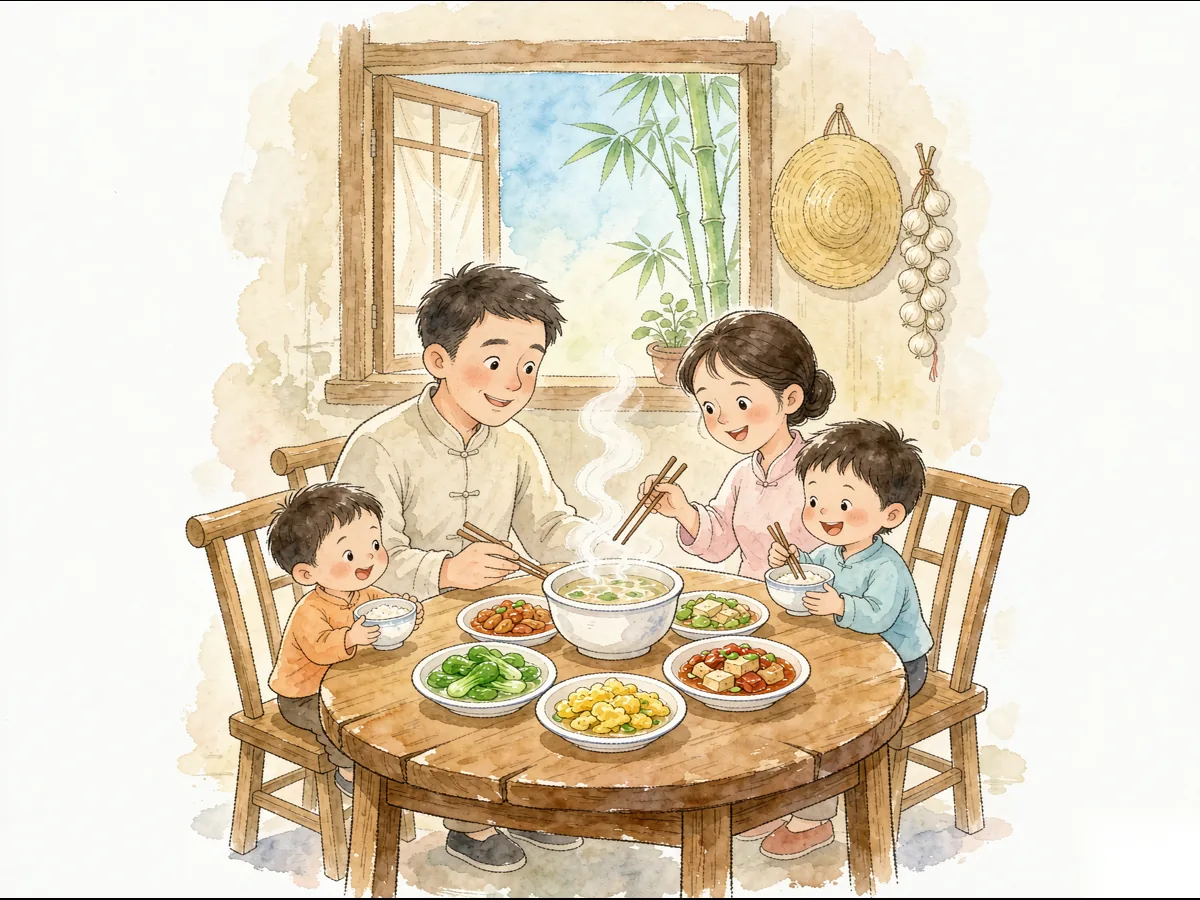
Scene dialogues
01在家做早餐Making Breakfast at HomeHSK 1早上,小李和小王在厨房准备早餐。
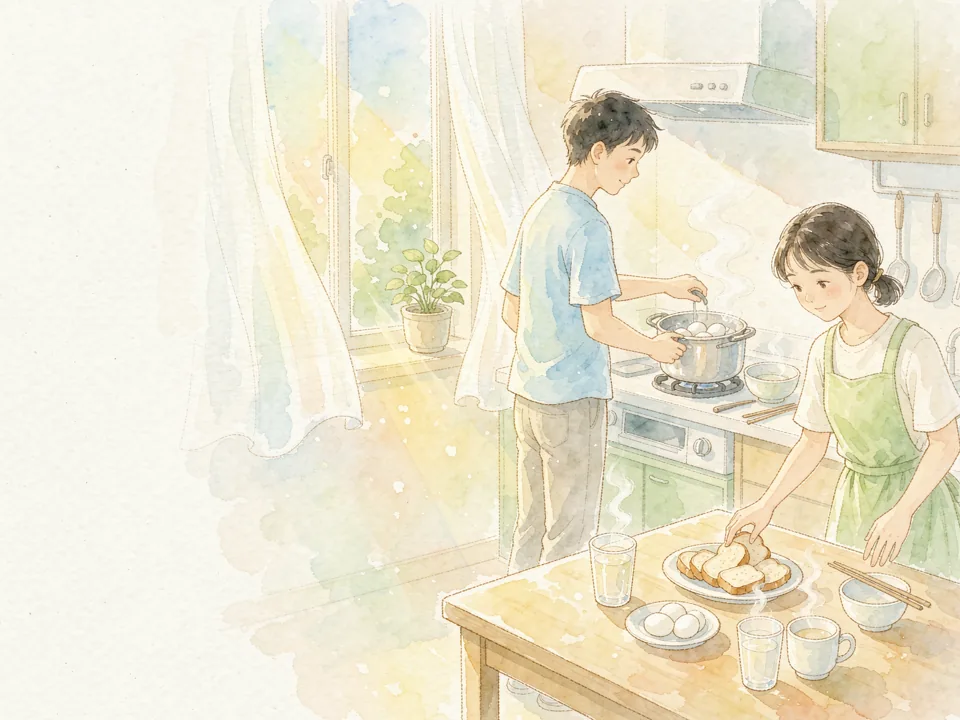
hái méi yǒu 。 wǒ xiǎng chī jī dàn hé miàn bāo 。
Not yet. I'd like eggs and bread.
02在餐厅点餐Ordering at a RestaurantHSK 2中午,小张和朋友去中国餐厅吃午饭。
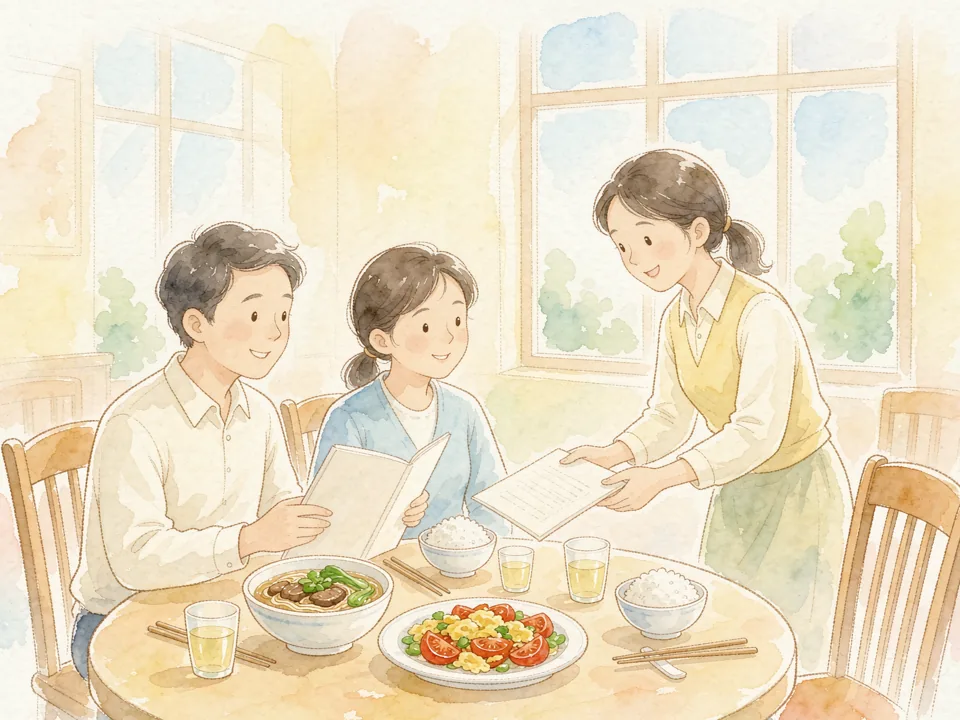
yǒu de , zhè biān qǐng 。 zhè shì cài dān 。
Yes, this way please. Here's the menu.
wǒ men de niú ròu miàn hěn yǒu míng , hěn duō kè rén dōu diǎn 。
Our beef noodles are very popular — many customers order them.
yǒu de , mǎ shàng gěi nín ná 。 hái xū yào shén me yǐn liào ma ?
Of course, I'll bring them right away. Would you like any drinks?
yí gòng bā shí wǔ kuài 。 kě yǐ fù xiàn jīn , yě kě yǐ sǎo mǎ 。
Eighty-five yuan in total. You can pay in cash or scan the code.
03在超市买菜Grocery Shopping at the SupermarketHSK 3下午,小林和妈妈在超市采购食材,准备回家做晚饭。
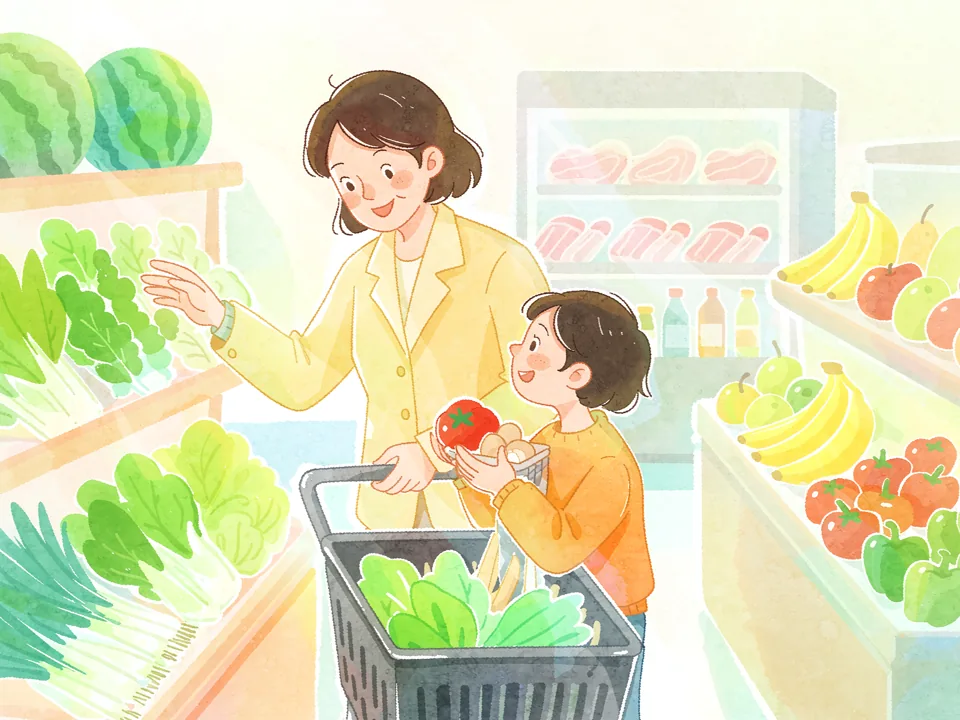
wǒ xiǎng zuò fān qié chǎo dàn hé hóng shāo ròu 。 nǐ xiān qù ná jǐ gè fān qié hé jī dàn 。
I'm thinking tomato scrambled eggs and braised pork. Go grab some tomatoes and eggs first.
zhēn de ma ? nà duō ná jǐ gè 。 zài ná yì bǎ xiǎo cōng , zuò fān qié chǎo dàn yào fàng cōng 。
Really? Then get a few more. Also grab some green onions — we need them for the tomato eggs.
zài nà biān de lěng guì lǐ 。 nǐ tiāo yí kuài wǔ huā ròu , hóng shāo ròu yòng wǔ huā ròu zuì hǎo 。
In the cold case over there. Pick a piece of pork belly — that's best for braised pork.
可以,让师傅切一下。我们还需要买点儿调料,家里的酱油快用完了。
kě yǐ , ràng shī fu qiè yí xià 。 wǒ men hái xū yào mǎi diǎn ér tiáo liào , jiā lǐ de jiàng yóu kuài yòng wán le 。
That's good. Have the butcher cut it for us. We also need some seasonings — we're almost out of soy sauce at home.
méi yǒu le , shùn biàn mǎi liǎng kuài dòu fu ba , míng tiān kě yǐ zuò má pó dòu fu 。
No, let's get two blocks of tofu too. We can make mapo tofu tomorrow.
xíng , ná yí gè xī guā , xià tiān chī xī guā zuì jiě kě le 。
Sure, grab one. Nothing beats watermelon in summer.
děng yí xià , zài ná yì bāo miàn tiáo , míng tiān zǎo shàng wǒ xiǎng chī zhà jiàng miàn 。
Wait — grab a pack of noodles too. I want to make fried sauce noodles tomorrow morning.
04讨论饮食文化Discussing Food CultureHSK 4中国朋友小陈和外国朋友马克在茶馆聊天,讨论中西饮食文化差异。
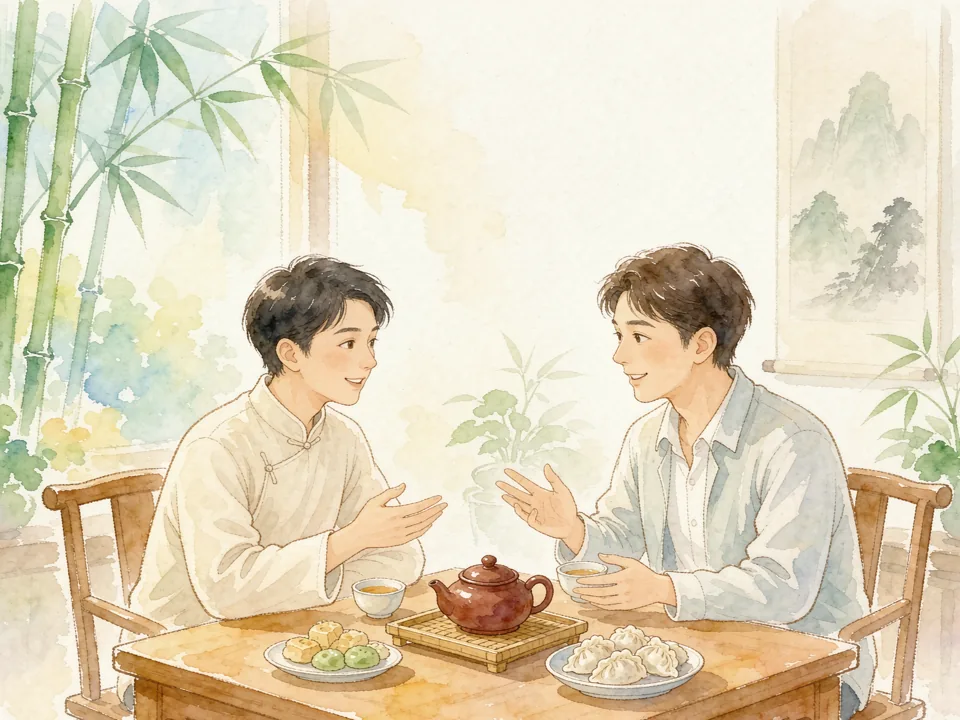
早就习惯了!我现在特别喜欢川菜,尤其是麻婆豆腐和水煮鱼。刚开始的时候觉得太辣了,现在越吃越上瘾。
zǎo jiù xí guàn le ! wǒ xiàn zài tè bié xǐ huan chuān cài , yóu qí shì má pó dòu fǔ hé shuǐ zhǔ yú 。 gāng kāi shǐ de shí hòu jué de tài là le , xiàn zài yuè chī yuè shàng yǐn 。
I got used to it a long time ago! I'm really into Sichuan cuisine now, especially mapo tofu and boiled fish in chili oil. At first I thought it was way too spicy, but now I'm kind of addicted.
哈哈,很多外国朋友都这么说。你觉得中国菜和你们国家的菜最大的区别是什么?
hā hā , hěn duō wài guó péng yǒu dōu zhè me shuō 。 nǐ jué de zhōng guó cài hé nǐ men guó jiā de cài zuì dà de qū bié shì shén me ?
Haha, a lot of foreign friends say the same thing. What do you think is the biggest difference between Chinese food and your country's food?
我觉得最大的区别是烹饪方式。中国菜讲究火候和刀工,一道菜可以有炒、蒸、炖、烤很多种做法。我们那边相对简单一些,主要是烤和煎。
wǒ jué de zuì dà de qū bié shì pēng rèn fāng shì 。 zhōng guó cài jiǎng jiū huǒ hòu hé dāo gōng , yí dào cài kě yǐ yǒu chǎo 、 zhēng 、 dùn 、 kǎo hěn duō zhǒng zuò fǎ 。 wǒ men nà biān xiāng duì jiǎn dān yī xiē , zhǔ yào shi kǎo hé jiān 。
I think the biggest difference is the cooking methods. Chinese cuisine really emphasizes heat control and knife skills. One ingredient can be stir-fried, steamed, stewed, or roasted in so many ways. Back home, we're relatively simpler — mostly grilling and pan-frying.
确实。中国有八大菜系,每个地方的口味都不一样。比如四川人爱吃辣,广东人偏爱清淡,江浙一带的菜偏甜。
què shí 。 zhōng guó yǒu bā dà cài xì , měi gè dì fāng de kǒu wèi dōu bù yí yàng 。 bǐ rú sì chuān rén ài chī là , guǎng dōng rén piān ài qīng dàn , jiāng zhè yí dài de cài piān tián 。
That's true. China has eight major regional cuisines, and each region has different flavors. For example, Sichuan people love spicy food, Cantonese prefer light and fresh flavors, and Jiangzhe cuisine tends to be sweet.
对,我去过广州,那里的早茶让我印象很深。点心种类太多了,虾饺、烧卖、肠粉……而且他们喝汤的习惯也让我觉得很养生。
duì , wǒ qù guò guǎng zhōu , nà lǐ de zǎo chá ràng wǒ yìn xiàng hěn shēn 。 diǎn xīn zhǒng lèi tài duō le , xiā jiǎo 、 shāo mài 、 cháng fěn … … ér qiě tā men hē tāng de xí guàn yě ràng wǒ jué de hěn yǎng shēng 。
Right, I've been to Guangzhou. The morning tea there left a deep impression on me. So many types of dim sum — shrimp dumplings, siu mai, rice noodle rolls... And their soup-drinking habit really seems health-conscious.
大部分是很健康的,蔬菜多,烹饪方法也多样。不过有些菜油比较多,像红烧肉、水煮鱼,偶尔吃可以,天天吃可能就太重了。
dà bù fen shì hěn jiàn kāng de , shū cài duō , pēng rèn fāng fǎ yě duō yàng 。 bú guò yǒu xiē cài yóu bǐ jiào duō , xiàng hóng shāo ròu 、 shuǐ zhǔ yú , ǒu ěr chī kě yǐ , tiān tiān chī kě néng jiù tài zhòng le 。
Most of it is very healthy — lots of vegetables and diverse cooking methods. But some dishes use quite a lot of oil, like braised pork and boiled fish in chili oil. Fine once in a while, but probably too heavy for every day.
你说得对。其实中国家庭日常做菜还是比较清淡的,饭店的菜为了好吃会多放油盐。你在家做过中国菜吗?
nǐ shuō dé duì 。 qí shí zhōng guó jiā tíng rì cháng zuò cài hái shì bǐ jiào qīng dàn de , fàn diàn de cài wèi le hǎo chī huì duō fàng yóu yán 。 nǐ zài jiā zuò guò zhōng guó cài ma ?
You're right. Actually, Chinese home cooking is relatively light. Restaurants tend to add more oil and salt for flavor. Have you ever cooked Chinese food at home?
试过!我跟着网上的视频学了番茄炒蛋和炒面。番茄炒蛋还行,炒面的时候面条全粘在一起了,完全失败。
shì guò ! wǒ gēn zhe wǎng shàng de shì pín xué le fān qié chǎo dàn hé chǎo miàn 。 fān qié chǎo dàn hái xíng , chǎo miàn de shí hòu miàn tiáo quán nián zài yì qǐ le , wán quán shī bài 。
I've tried! I followed online videos to make tomato scrambled eggs and fried noodles. The tomato eggs turned out okay, but the noodles all stuck together — complete failure.
哈哈哈!炒面确实不太好做,面条要先煮到八分熟,过一遍凉水,再下锅炒,这样才不会粘。下次我教你。
hā hā hā ! chǎo miàn què shí bú tài hǎo zuò , miàn tiáo yào xiān zhǔ dào bā fēn shú , guò yí biàn liáng shuǐ , zài xià guō chǎo , zhè yàng cái bú huì nián 。 xià cì wǒ jiào nǐ 。
Hahaha! Fried noodles are actually tricky. You need to boil the noodles to about 80% done, rinse them in cold water, then stir-fry — that way they won't stick. I'll teach you next time.
太好了!我还想学包饺子。在中国,过年包饺子是一种传统,对吧?
tài hǎo le ! wǒ hái xiǎng xué bāo jiǎo zǐ 。 zài zhōng guó , guò nián bāo jiǎo zǐ shì yì zhǒng chuán tǒng , duì ba ?
Awesome! I also want to learn how to make dumplings. In China, making dumplings during New Year is a tradition, right?
没错,尤其在北方。一家人围在一起包饺子,聊聊近况,特别热闹。饺子的形状像古代的元宝,寓意招财进宝。
méi cuò , yóu qí zài běi fāng 。 yì jiā rén wéi zài yì qǐ bāo jiǎo zǐ , liáo liáo jìn kuàng , tè bié rè nào 。 jiǎo zǐ de xíng zhuàng xiàng gǔ dài de yuán bǎo , yù yì zhāo cái jìn bǎo 。
Exactly, especially in the north. The whole family gathers around to wrap dumplings, chatting about life — it's really lively. Dumplings are shaped like ancient gold ingots, symbolizing wealth and prosperity.
zhè ge wén huà zhēn yǒu yì sī 。 shí wù bù zhǐ shì chī de , hái bāo hán le hěn duō lì shǐ hé qíng gǎn 。
That's such a fascinating culture. Food isn't just about eating — it carries so much history and emotion.
是的。其实每个国家的饮食文化都有自己的故事。通过吃,我们可以了解一个地方的历史、气候和人们的生活方式。
shì de 。 qí shí měi gè guó jiā de yǐn shí wén huà dōu yǒu zì jǐ de gù shì 。 tōng guò chī , wǒ men kě yǐ liǎo jiě yí gè dì fāng de lì shǐ 、 qì hòu hé rén men de shēng huó fāng shì 。
Yes. And every country's food culture has its own story. Through food, we can learn about a place's history, climate, and way of life.
完全同意。我觉得学一门语言最好的方式就是去了解它的饮食文化。吃是最快拉近距离的方式!
wán quán tóng yì 。 wǒ jué de xué yì mén yǔ yán zuì hǎo de fāng shì jiù shì qù liǎo jiě tā de yǐn shí wén huà 。 chī shì zuì kuài lā jìn jù lí de fāng shì !
Totally agree. I think the best way to learn a language is to understand its food culture. Eating is the fastest way to bring people closer!
05在咖啡店点饮品Ordering at a Coffee ShopHSK 1下午,小明和小红去咖啡店喝东西。
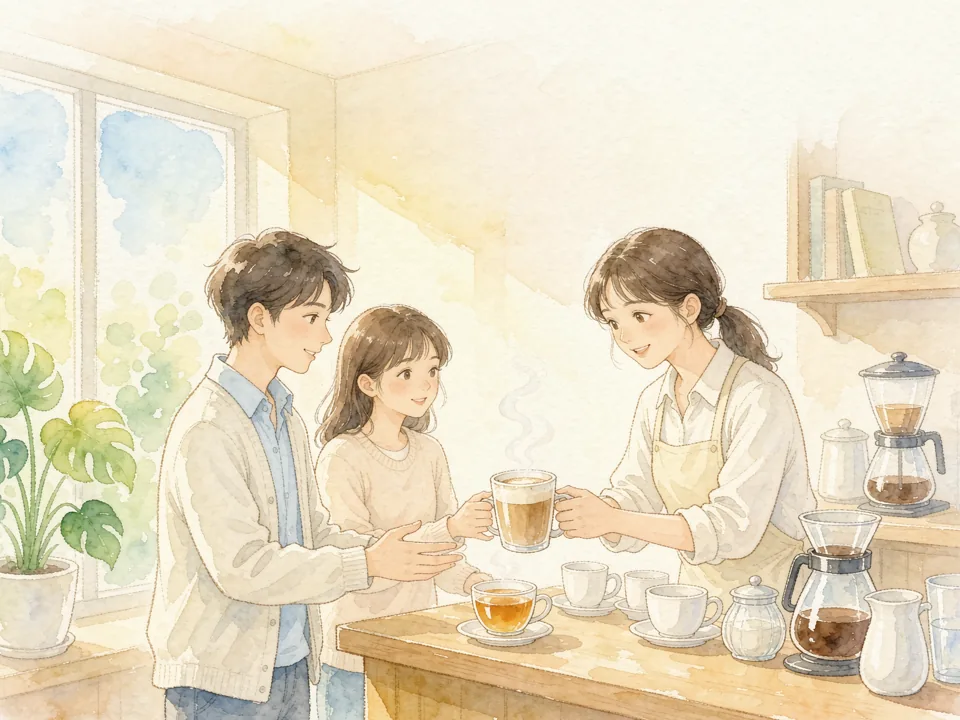
wǒ bù hē kā fēi , gěi wǒ yì bēi chá ba 。
I don't drink coffee. Give me a cup of tea.
Words · 6
06在家做晚饭Cooking Dinner at HomeHSK 2丈夫和妻子在家做晚饭,分工合作。
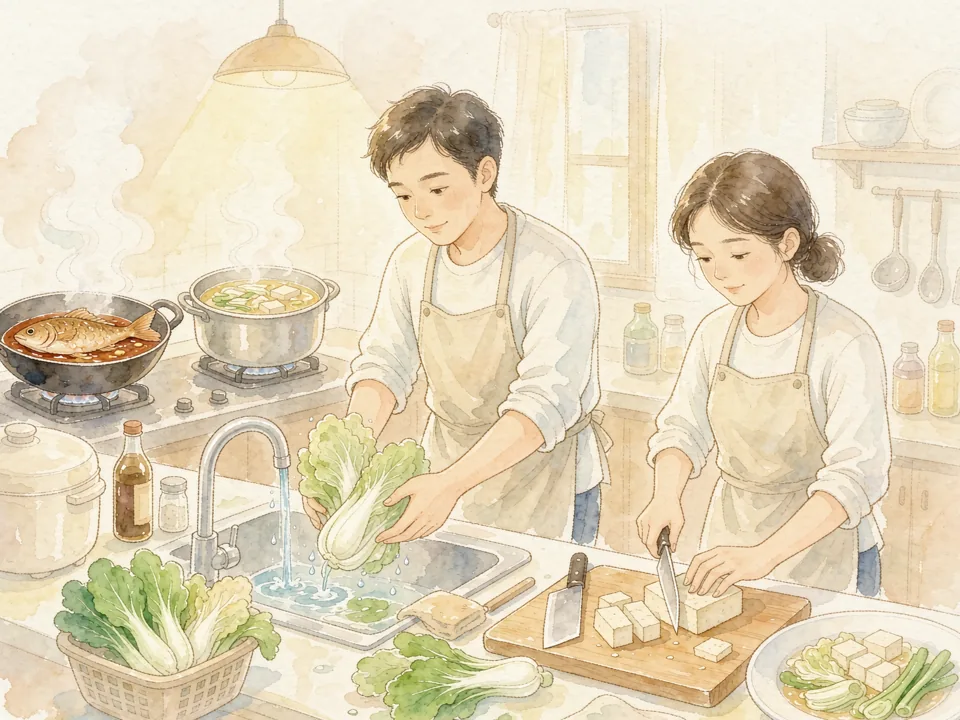
hǎo ! bīng xiāng lǐ yǒu yú 、 bái cài hé dòu fu 。
Sure! There's fish, cabbage, and tofu in the fridge.
先在锅里放油,等油热了,把鱼放进去煎一下。然后加酱油、醋、糖和水,盖上锅盖,用小火烧十五分钟。
xiān zài guō lǐ fàng yóu , děng yóu rè le , bǎ yú fàng jìn qù jiān yí xià 。 rán hòu jiā jiàng yóu 、 cù 、 táng hé shuǐ , gài shàng guō gài , yòng xiǎo huǒ shāo shí wǔ fēn zhōng 。
First put oil in the pan, wait until it's hot, then put the fish in to pan-fry. Then add soy sauce, vinegar, sugar, and water. Cover the lid and simmer on low heat for fifteen minutes.
tīng qǐ lái bù nán 。 nà bái cài dòu fu tāng ne ?
Doesn't sound hard. What about the cabbage tofu soup?
hǎo , wǒ xiān bǎ cài xǐ hǎo , rán hòu qiè dòu fu 。
Alright, I'll wash the vegetables first, then cut the tofu.
07在水果摊买水果Buying Fruit at a Market StallHSK 2周末早上,小刘在街边水果摊买水果。
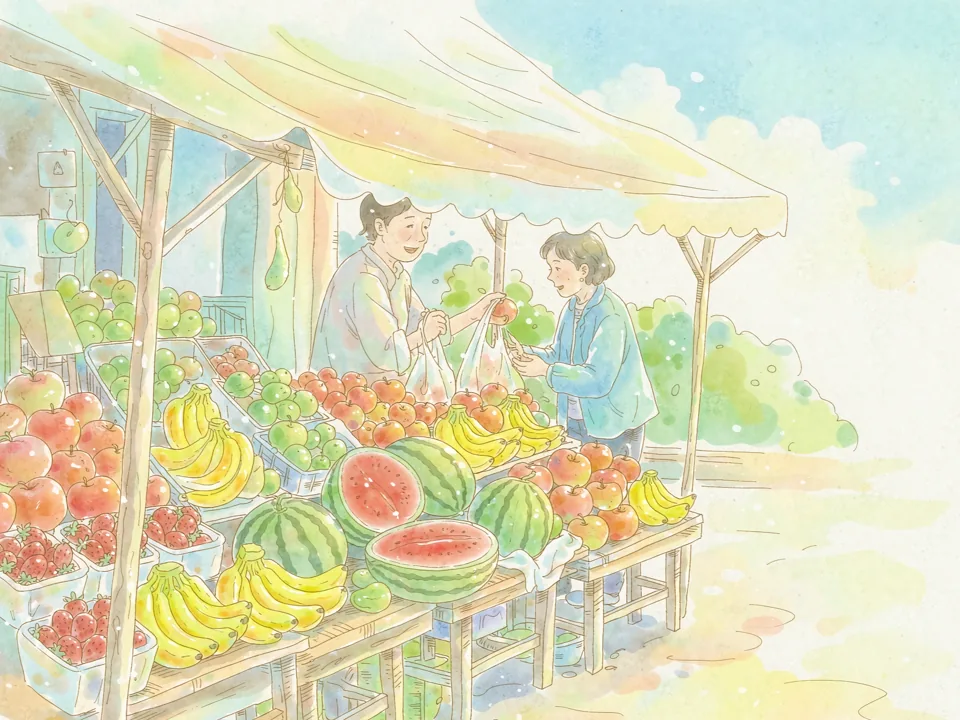
píng guǒ bā kuài yì jīn , jīn tiān gāng dào de , tè bié xīn xiān 。
Apples are eight yuan a jin. They just arrived today, super fresh.
kě yǐ kě yǐ , nǐ cháng yí gè 。 zhè ge pǐn zhǒng de píng guǒ yòu tián yòu cuì 。
Of course, have a taste. This variety is sweet and crispy.
hǎo 。 hái yào bié de ma ? cǎo méi jīn tiān yě tè bié hǎo , shí wǔ kuài yì jīn 。
Sure. Want anything else? The strawberries are especially good today, fifteen yuan a jin.
我的是本地的,比进口的好吃多了。你看看,个个都红,没有烂的。
wǒ de shì běn dì de , bǐ jìn kǒu de hǎo chī duō le 。 nǐ kàn kàn , gè gè dōu hóng , méi yǒu làn de 。
Mine are local, way tastier than imported ones. Look — every one is red, no bad ones.
香蕉六块一斤。你看这串,又大又黄。
xiāng jiāo liù kuài yì jīn 。 nǐ kàn zhè chuàn , yòu dà yòu huáng 。
Bananas are six yuan a jin. Look at this bunch — big and yellow.
xī guā liǎng kuài wǔ yī jīn , yào zhěng gè hái shì bàn gè ?
Watermelon is two-fifty a jin. Whole or half?
fàng xīn , wǒ gěi nǐ tiāo zuì hǎo de 。 yí gòng bā shí sān kuài 。
Don't worry, I'll pick the best one for you. That's eighty-three yuan total.
Words · 6
08朋友聚餐Friends Having Dinner TogetherHSK 3周末晚上,几个朋友在火锅店聚餐。
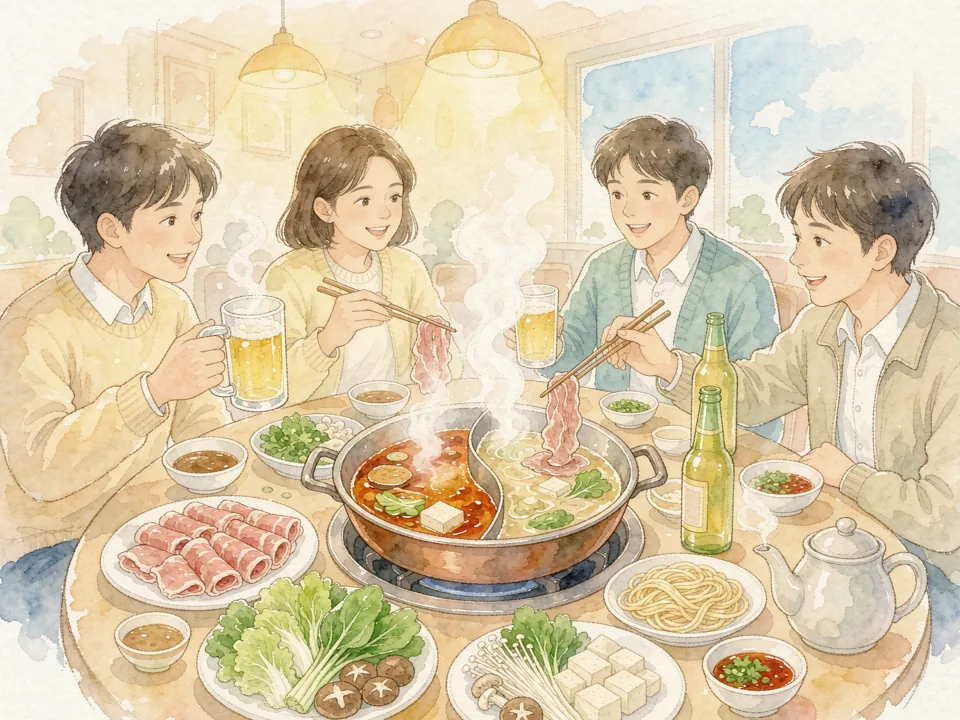
nà zěn me hǎo yì si ! hái shì A A zhì ba 。
You don't have to! Let's split the bill.
wǒ yào yuān yāng guō ! yí bàn là yí bàn bú là , zhè yàng měi gè rén dōu néng chī dào zì jǐ xǐ huan de 。
Let's get a yuanyang pot! Half spicy, half not — that way everyone can enjoy what they like.
好主意。服务员,来一个鸳鸯锅!再要两份牛肉、一份羊肉、两份蔬菜拼盘、一份豆腐和一份面条。
hǎo zhǔ yì 。 fú wù yuán , lái yí gè yuān yāng guō ! zài yào liǎng fèn niú ròu 、 yí fèn yáng ròu 、 liǎng fèn shū cài pīn pán 、 yí fèn dòu fu hé yí fèn miàn tiáo 。
Great idea. Waiter, one yuanyang pot please! And two orders of beef, one lamb, two vegetable platters, one tofu, and one noodles.
lái liǎng píng pí jiǔ hé yì hú rè chá ba 。 tiān lěng hē rè chá zuì shū fú 。
Two bottles of beer and a pot of hot tea. Hot tea feels so good when it's cold out.
zhè ge yáng ròu yě hǎo nèn ! bú guò là guō zhēn de hǎo là , wǒ kuài shòu bù liǎo liǎo 。
This lamb is so tender too! But the spicy side is really hot, I can barely handle it.
chī le hǎo duō a ! zhè dùn fàn chī le duō shǎo ?
We ate so much! How much was it?
09早餐摊买早点Buying Breakfast at a Street StallHSK 1早上上班路上,小陈在路边早餐摊买早点。

hǎo le 。 nín de bāo zǐ hé dòu jiāng , zhuāng zài dài zǐ lǐ le 。
Here you go. Your buns and soy milk are in the bag.
yóu tiáo sān kuài 。 yí gòng shí wǔ kuài , zhǎo nǐ wǔ kuài 。
Fried dough stick is three yuan. Fifteen total, here's five yuan change.
10在面馆吃面Eating at a Noodle ShopHSK 2中午,小赵去面馆吃午饭。
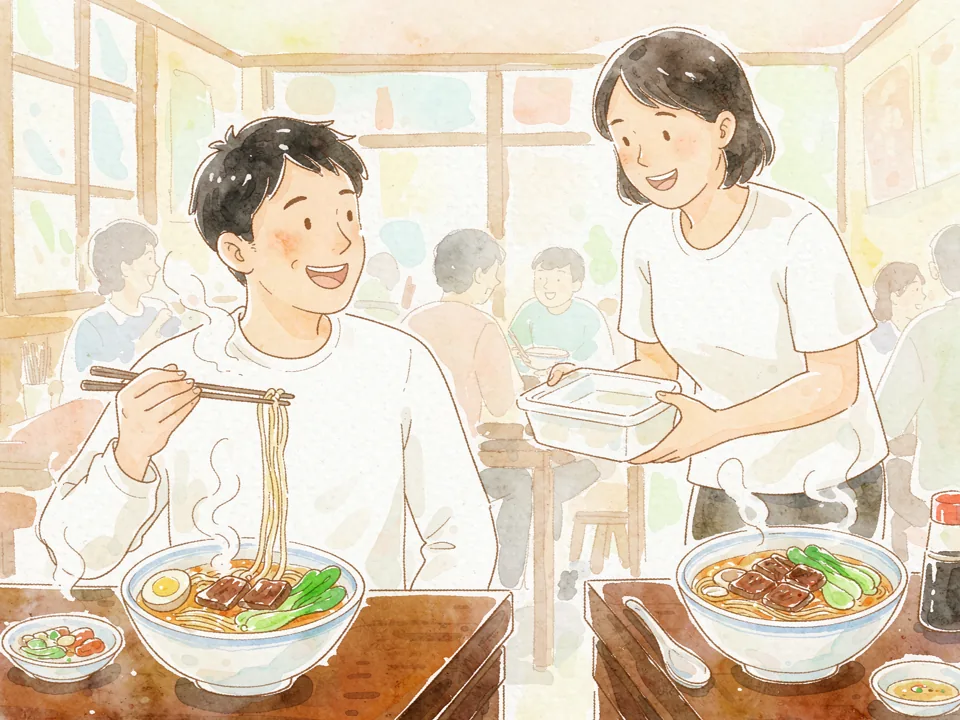
hǎo , wǒ yào yì wǎn dà wǎn niú ròu miàn , shǎo fàng là jiāo , duō jiā cù 。
OK, one large bowl of beef noodles, less chili, extra vinegar.
tài hǎo le ! zhè ge miàn zhēn hǎo chī , tāng yě hǎo hē 。 yǒu sháo zǐ ma ? wǒ xiǎng hē tāng 。
Awesome! These noodles are really good, and the broth is delicious. Do you have a spoon? I want to drink the broth.
xiè xiè 。 wǒ hái xiǎng dǎ bāo yí fèn zhà jiàng miàn dài huí qù 。
Thanks. I also want to take away an order of fried sauce noodles.
11在面包店At the BakeryHSK 3早上,小美去面包店买早餐面包和蛋糕。
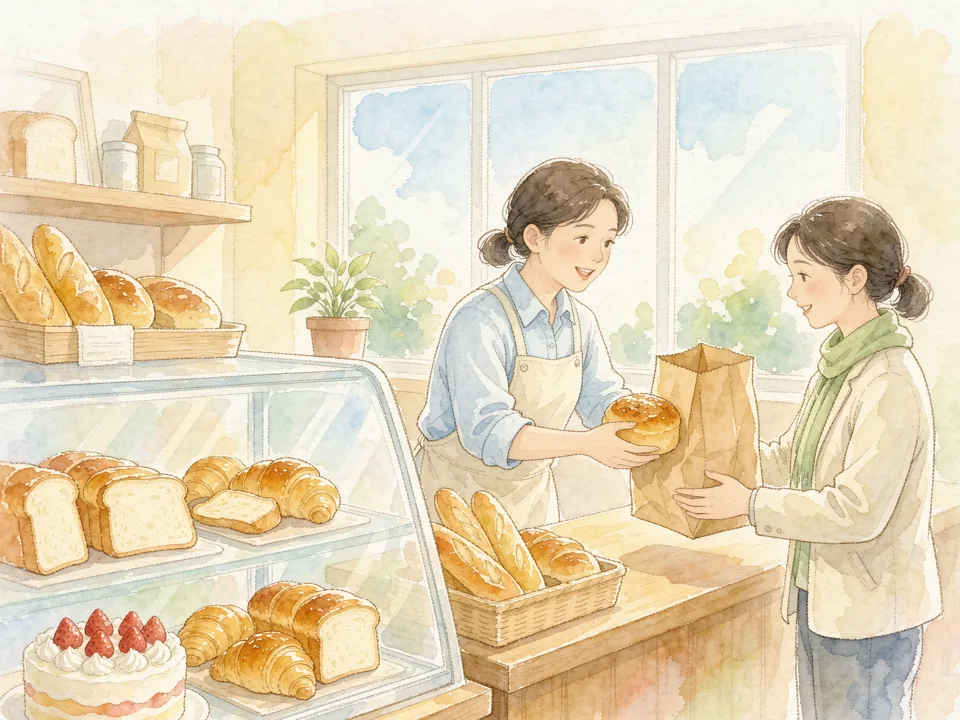
duì , tǔ sī miàn bāo hé niú jiǎo bāo gāng gāng kǎo hǎo , fēi cháng xīn xiān 。
Yes, the toast and croissants just came out, very fresh.
两种都有。原味的十五块一条,全麦的十八块。你要切片还是整条?
liǎng zhǒng dōu yǒu 。 yuán wèi de shí wǔ kuài yì tiáo , quán mài de shí bā kuài 。 nǐ yào qiē piàn hái shì zhěng tiáo ?
Both. Plain is fifteen yuan a loaf, whole wheat is eighteen. Sliced or whole?
hǎo 。 niú jiǎo bāo yào jǐ gè ? jīn tiān yǒu yuán wèi hé qiǎo kè lì liǎng zhǒng 。
Sure. How many croissants? We have plain and chocolate today.
这是草莓奶油蛋糕,用的是新鲜草莓和淡奶油,不会太甜。适合三到四个人吃。
zhè shì cǎo méi nǎi yóu dàn gāo , yòng de shì xīn xiān cǎo méi hé dàn nǎi yóu , bú huì tài tián 。 shì hé sān dào sì gè rén chī 。
That's strawberry cream cake, made with fresh strawberries and light cream, not too sweet. Serves three to four people.
liù shí bā kuài 。 jīn tiān shì nǐ de shēng rì ma ? kě yǐ miǎn fèi xiě zhù fú yǔ 。
Sixty-eight yuan. Is it your birthday? We can write a message for free.
hǎo de 。 miàn bāo 、 niú jiǎo bāo hé dàn gāo , yí gòng yì bǎi yī shí kuài 。 yào dài zǐ ma ?
OK. Bread, croissants and cake, one hundred and ten yuan total. Need a bag?
fàng xīn , wǒ gěi nǐ jiā bīng dài 。 bǎo zhì qī dào míng tiān , jì de fàng bīng xiāng 。
Don't worry, I'll add an ice pack. Best before tomorrow, keep it in the fridge.
Words · 6
12讨论健康饮食Discussing Healthy EatingHSK 4小陈和健身教练在健身房咖啡厅讨论饮食计划。
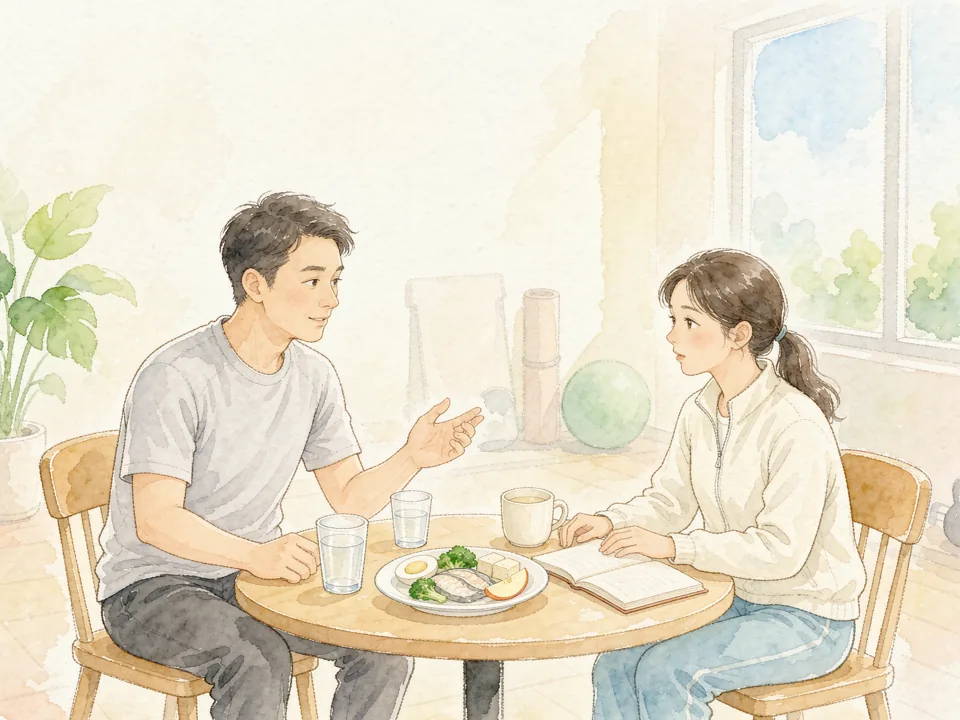
首先,饮食要均衡。每天的蛋白质、碳水化合物和脂肪要合理搭配。
shǒu xiān , yǐn shí yào jūn héng 。 měi tiān de dàn bái zhì 、 tàn shuǐ huà hé wù hé zhī fáng yào hé lǐ dā pèi 。
First, your diet needs to be balanced. Protein, carbohydrates, and fats should be properly combined each day.
鸡蛋和鸡胸肉是好选择,鱼、豆腐和牛奶也是很好的蛋白质来源。不过不要只吃蛋白质,蔬菜也很重要。
jī dàn hé jī xiōng ròu shì hǎo xuǎn zé , yú 、 dòu fu hé niú nǎi yě shì hěn hǎo de dàn bái zhì lái yuán 。 bú guò bú yào zhī chī dàn bái zhì , shū cài yě hěn zhòng yào 。
Eggs and chicken breast are good choices, but fish, tofu, and milk are also great protein sources. Don't just focus on protein though — vegetables are important too.
那是因为你烹饪方式不对。蔬菜可以凉拌、清炒或者烤,不一定要用很多油。比如西兰花加一点儿橄榄油和盐烤一下,特别好吃。
nà shì yīn wèi nǐ pēng rèn fāng shì bú duì 。 shū cài kě yǐ liáng bàn 、 qīng chǎo huò zhě kǎo , bù yí dìng yào yòng hěn duō yóu 。 bǐ rú xī lán huā jiā yì diǎn ér gǎn lǎn yóu hé yán kǎo yí xià , tè bié hǎo chī 。
That's because you're cooking them wrong. Vegetables can be served cold, stir-fried lightly, or roasted — no need for lots of oil. For example, broccoli with a bit of olive oil and salt, roasted, is absolutely delicious.
水果虽然健康,但有些水果糖分很高,比如西瓜和葡萄。建议每天吃一到两种,适量就好。
shuǐ guǒ suī rán jiàn kāng , dàn yǒu xiē shuǐ guǒ táng fēn hěn gāo , bǐ rú xī guā hé pú táo 。 jiàn yì měi tiān chī yí dào liǎng zhǒng , shì liàng jiù hǎo 。
Fruit is healthy, but some fruits are high in sugar, like watermelon and grapes. I'd recommend one or two types a day in moderate amounts.
nà kě yǐ yòng dòu jiāng dài tì , huò zhě hē suān nǎi , suān nǎi de rǔ táng hán liàng bǐ jiào dī 。
Then use soy milk instead, or try yogurt. Yogurt has lower lactose content.
如果你想减脂,每天的热量摄入要比消耗少三百到五百大卡。我帮你算一下。你体重多少?
rú guǒ nǐ xiǎng jiǎn zhī , měi tiān de rè liàng shè rù yào bǐ xiāo hào shǎo sān bǎi dào wǔ bǎi dà kǎ 。 wǒ bāng nǐ suàn yí xià 。 nǐ tǐ zhòng duō shǎo ?
If you want to lose fat, your daily intake should be three hundred to five hundred calories below your expenditure. Let me calculate for you. What's your weight?
那你每天大概需要两千大卡左右。早餐吃五百,午餐吃七百,晚餐吃六百,加餐两百大卡。
nà nǐ měi tiān dà gài xū yào liǎng qiān dà kǎ zuǒ yòu 。 zǎo cān chī wǔ bǎi , wǔ cān chī qī bǎi , wǎn cān chī liù bǎi , jiā cān liǎng bǎi dà kǎ 。
Then you need about 2,000 calories a day. 500 for breakfast, 700 for lunch, 600 for dinner, and 200 for a snack.
尽量避免油炸食品、含糖饮料和零食。偶尔吃一次没关系,但不要变成习惯。
jǐn liàng bì miǎn yóu zhà shí pǐn 、 hán táng yǐn liào hé líng shí 。 ǒu ěr chī yí cì méi guān xì , dàn bú yào biàn chéng xí guàn 。
Try to avoid fried food, sugary drinks, and snacks. Once in a while is fine, but don't make it a habit.
好的,两周后我们再根据你的身体情况做调整。记住,健康饮食不是短期的,要变成长期的生活习惯。
hǎo de , liǎng zhōu hòu wǒ men zài gēn jù nǐ de shēn tǐ qíng kuàng zuò tiáo zhěng 。 jì zhù , jiàn kāng yǐn shí bú shì duǎn qī de , yào biàn chéng zhǎng qī de shēng huó xí guàn 。
Great. In two weeks we'll reassess based on your body's progress. Remember — healthy eating isn't short-term. It needs to become a long-term lifestyle habit.
Scene vocabulary
01主食与食材11 words
02蔬菜水果9 words
03厨房与烹饪19 words
04餐厅与点餐16 words
05饮料与味道13 words
中国的饮食文化
中国有句古话:"民以食为天。"意思是,食物对人们来说是最重要的。
There is an old Chinese saying: "Food is the first necessity of the people." This means that food is the most important thing for people.
中国饮食文化有着几千年的历史。中国菜的特点是讲究"色、香、味、形",也就是说,一道好菜不仅要好看、好闻,还要好吃,摆盘也要漂亮。
Chinese food culture has a history of thousands of years. Chinese cuisine emphasizes "color, aroma, taste, and presentation" — a good dish should not only look and smell good, but also taste delicious and be beautifully plated.
中国有八大菜系:川菜、粤菜、鲁菜、苏菜、浙菜、闽菜、湘菜和徽菜。每个菜系都有自己的特点。比如,川菜以麻辣著称,粤菜注重食材的新鲜,鲁菜擅长炖煮。
China has eight major culinary traditions: Sichuan, Cantonese, Shandong, Jiangsu, Zhejiang, Fujian, Hunan, and Anhui. Each has its own characteristics. For example, Sichuan cuisine is known for its numbing spiciness, Cantonese cuisine focuses on the freshness of ingredients, and Shandong cuisine excels in stewing and braising.
在中国,吃饭不仅是为了填饱肚子,更是一种社交方式。家人朋友围坐在一起,边吃边聊,这是中国人日常生活中最重要的部分。
In China, eating is not just about filling your stomach — it's also a social activity. Family and friends gather around a table, eating and chatting together. This is the most important part of daily life for Chinese people.
在中国,吃饭不仅是为了填饱肚子,更是一种社交方式。家人朋友围坐在一起,边吃边聊,这是中国人日常生活中很重要的一部分。
In China, eating is not just about filling your stomach — it's also a social activity. Family and friends gather around a table, eating and chatting together. This is a very important part of daily life for Chinese people.
如果你来中国,一定要尝尝各地的特色美食。从北京的烤鸭到四川的火锅,从广东的早茶到新疆的烤肉,每一种都值得体验。
If you visit China, be sure to try the local specialties. From Beijing roast duck to Sichuan hotpot, from Cantonese morning tea to Xinjiang barbecue — each one is worth experiencing.
Practice
- 1. 选择题小李在餐厅点什么菜?(A) 鸡肉面 (B) 牛肉面 (C) 猪肉面
- 2. 选择题超市的番茄多少钱一斤?(A) 五块五 (B) 六块五 (C) 七块五
- 3. 判断题番茄和西红柿是两个完全不同的食物。(对/错)
- 4. 填空题中国菜讲究"色、____、味、形"。
- 5. 选择题中国有几大菜系?(A) 四个 (B) 六个 (C) 八个
- 6. 配对题将蔬菜与对应类别配对(番茄→蔬菜、苹果→水果、鸡蛋→蛋白质)
- 7. 排序题将做饭步骤按正确顺序排列
- 8. 选择题湘菜的特点是什么?(A) 甜 (B) 麻辣 (C) 辣中带香
- 9. 填空题中国人用餐时通常使用____,不用刀叉。
- 10. 简答题说说你知道的中国菜名(至少三个)
- 1. 题目A:你想吃什么? B:我要一____牛肉面。
- 2. 题目A:这些番茄很____,多少钱一斤? B:六块五。
- 3. 题目A:先把鸡蛋打在碗里,放一点____。 B:好的。
- 4. 题目A:你好,____? B:一共三十五块。
- 5. 题目A:这个菜太____了,再加点糖吧。 B:好的。
Reading and exercises for this scene are still being prepared.
Scene content comes from the uploaded HSK scene collections. Dialogues are adapted learning material, not exam audio.