Scenes · 12
文化与节日Culture & Festivals
Seven dialogues covering Spring Festival, Lantern Festival, Qingming, Dragon Boat and Mid-Autumn.
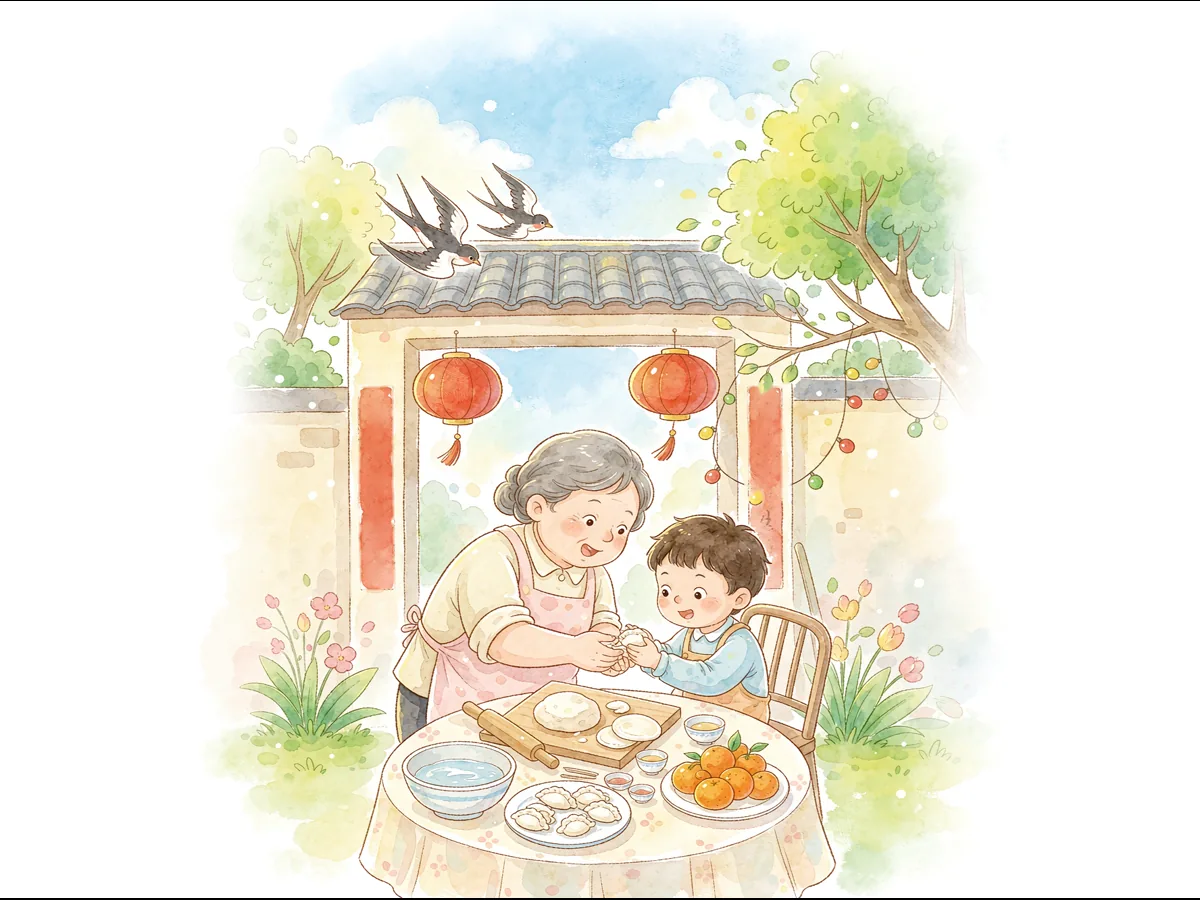
Scene dialogues
01春节 · 给奶奶拜年Spring Festival · New Year Greetings to GrandmaHSK 3Lunar New Year’s Day morning: a grandson greets his grandma at home.
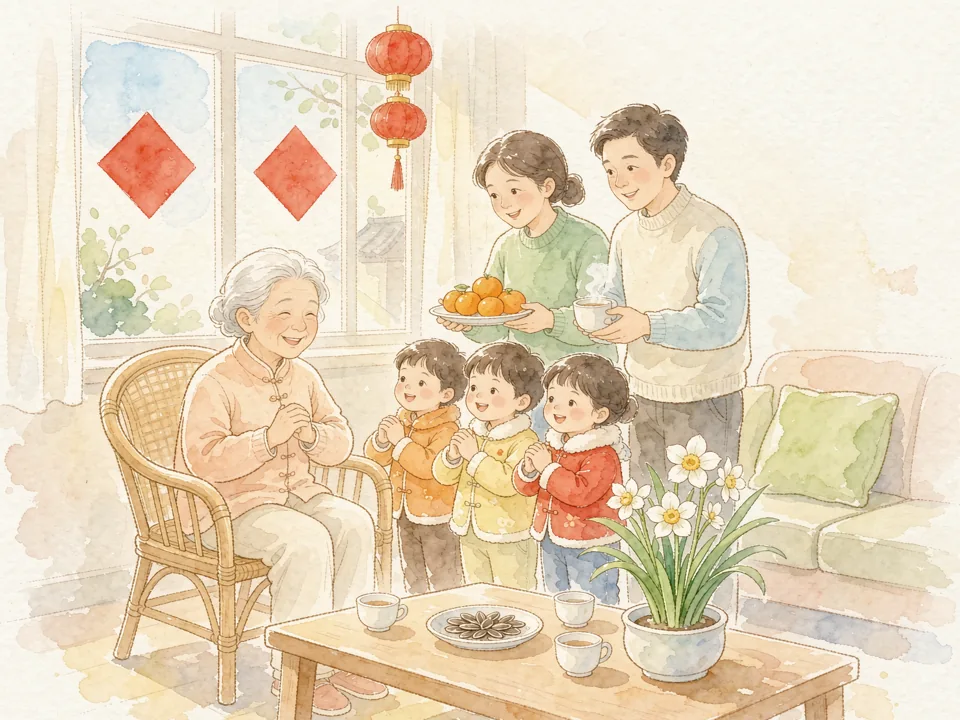
míng míng , xīn nián hǎo ! kuài jìn lái 。
Mingming, Happy New Year! Come in, quick.
duì , jīn tiān shì xīn nián dì yī tiān 。
Yes, today is the first day of the New Year.
tā zài chú fáng bāo jiǎo zǐ 。 nǐ xiǎng chī ma ?
She’s in the kitchen wrapping jiaozi. Do you want some?
xiè xiè ! zhēn guāi 。 zhè shì gěi nǐ de hóng bāo 。
Thank you! What a good child. Here’s a red envelope for you.
Words · 6
02元宵 · 逛灯会猜灯谜Lantern Festival · Strolling the Lantern Fair and Guessing RiddlesHSK 6Evening of the 15th day of the first lunar month: two friends wander through a lantern fair in the park.
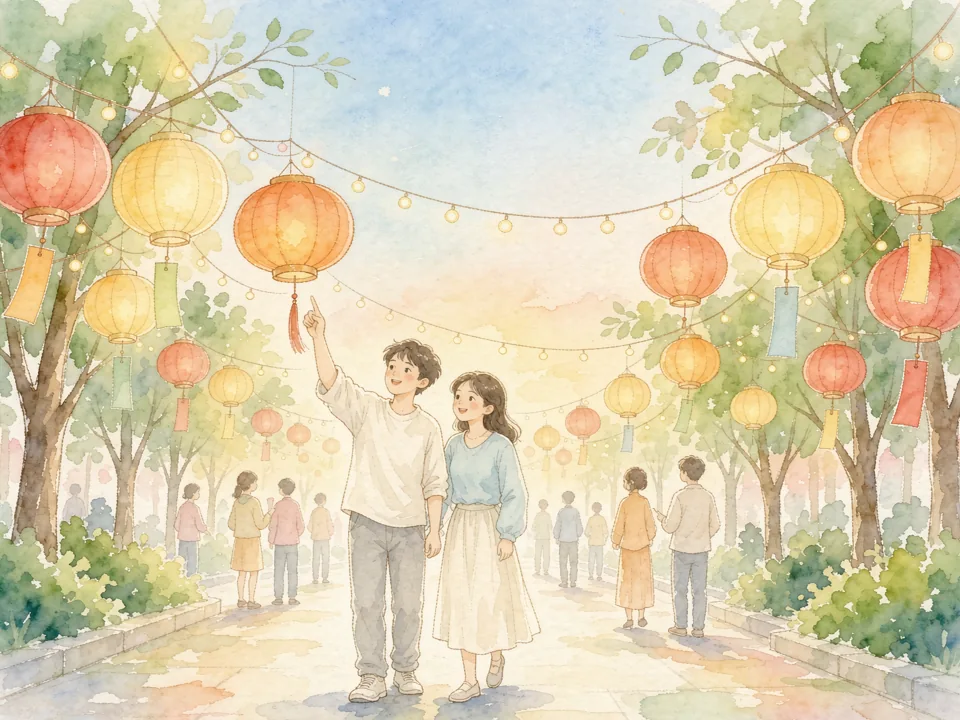
tīng shuō jīn wǎn yǒu dēng huì , wǒ tè yì guò lái kàn kàn 。 rén zhēn duō a !
I heard there's a lantern fair tonight, so I came over on purpose. It's so crowded!
zhēn hǎo kàn ! wǒ xiǎo shí hòu yě tí guò yì zhǎn , bú guò xiàn zài dōu gǎi chéng diàn chí dēng le 。
They're lovely! I carried one as a kid too, but nowadays they've all switched to battery lights.
hǎo a ! měi zhāng zhǐ tiáo shàng xiě zhe yì tiáo mí yǔ , cāi zhòng jiù néng huàn xiǎo jiǎng pǐn 。
Sure! Each slip of paper has a riddle on it — guess right and you get a little prize.
hā hā , zhè ge bù nán 。 zǒu , wǒ men xiān mǎi wǎn tāng yuán , yì biān chī yì biān xiǎng 。
Ha, that one's easy. Come on — let's get a bowl of tangyuan first and think while we eat.
yuán lái rú cǐ ! wǒ yǐ qián yì zhí yǐ wéi zhǐ shì míng zì bù yí yàng 。
Oh, that's why! I always thought it was just a different name for the same thing.
Words · 6
03中秋Mid-Autumn moon viewing in the old courtyardHSK 8
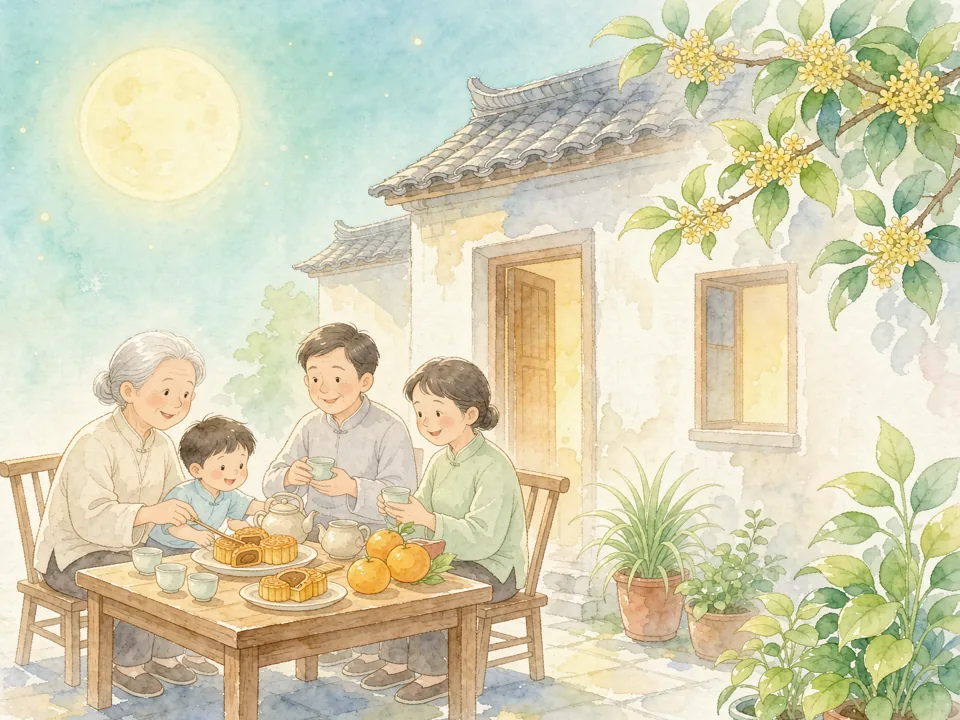
伊莎,顾老先生教了三十多年语文,今晚把石桌搬到院子里了。我们先不急着说话:等月色越过墙头,柚子、月饼、几只杯子依次摆上,你看着就好;待会儿九点,我还要跟家里连一次视频,时差比这里晚半天。
yī shā , gù lǎo xiān shēng jiào le sān shí duō nián yǔ wén , jīn wǎn bǎ shí zhuō bān dào yuàn zi lǐ le 。 wǒ men xiān bù jí zhe shuō huà : děng yuè sè yuè guò qiáng tóu , yòu zǐ 、 yuè bǐng 、 jǐ zhī bēi zi yī cì bǎi shàng , nǐ kàn zhe jiù hǎo ; dài huì ér jiǔ diǎn , wǒ hái yào gēn jiā lǐ lián yí cì shì pín , shí chā bǐ zhè lǐ wǎn bàn tiān 。
Isa, Mr Gu taught Chinese for over thirty years; tonight he has moved the stone table out into the courtyard. We needn't be in a hurry to talk: once the moonlight clears the wall, the pomelo, the mooncakes and a few cups will be set out in order — just watch. At nine I'll also make a video call home; the time difference there is half a day behind.
我读过几篇介绍,几乎都把中秋写成「团圆」,读起来像是人必须到齐才算数。可您刚说要连视频,苏澈也不在本地长大;若照字面看,今晚这一桌算不算缺着?
wǒ dú guò jǐ piān jiè shào , jī hū dōu bǎ zhōng qiū xiě chéng 「 tuán yuán 」 , dú qǐ lái xiàng shì rén bì xū dào qí cái suàn shù 。 kě nín gāng shuō yào lián shì pín , sū chè yě bú zài běn dì zhǎng dà ; ruò zhào zì miàn kàn , jīn wǎn zhè yì zhuō suàn bu suàn quē zhe ?
I've read several introductions, and almost all of them render Mid-Autumn as "reunion", which reads as though everyone must physically be present to count. Yet you've just said there will be a video call, and Su Che did not grow up here either. Taken literally, is this table tonight short of someone?
诚然,古人写月的句子多到数不清,课本里也总留着一行;然而这一晚摆出来的不过几样东西,非但不显得薄,反而比任何引文都稳当。与其说团圆写的是一桌人齐了,毋宁说它把缺的那个位置也一并算进去了。
chéng rán , gǔ rén xiě yuè de jù zi duō dào shǔ bù qīng , kè běn lǐ yě zǒng liú zhe yì háng ; rán ér zhè yì wǎn bǎi chū lái de bú guò jǐ yàng dōng xī , fēi dàn bù xiǎn de báo , fǎn ér bǐ rèn hé yǐn wén dōu wěn dāng 。 yǔ qí shuō tuán yuán xiě de shì yì zhuō rén qí le , wú nìng shuō tā bǎ quē de nà ge wèi zhì yě yí bìng suàn jìn qù le 。
It is true that the old poets wrote more lines about the moon than one can count, and the textbook always keeps one of them; yet what is set out tonight is only a few things, and far from seeming thin, it rests more firmly than any quotation. Rather than say "reunion" describes a full table, it would be closer to say it has counted the empty place in as well.
及至月色真的越过墙头,我才把石桌擦净、把柚子摆在中间、再把月饼按人数切开;桂花是隔壁送来的,纸灯笼挂在檐下,没谁念过次序,手却一年比一年准。
jí zhì yuè sè zhēn de yuè guò qiáng tóu , wǒ cái bǎ shí zhuō cā jìng 、 bǎ yòu zǐ bǎi zài zhōng jiān 、 zài bǎ yuè bǐng àn rén shù qiè kāi ; guì huā shì gé bì sòng lái de , zhǐ dēng long guà zài yán xià , méi shuí niàn guò cì xù , shǒu què yì nián bǐ yì nián zhǔn 。
Only when the moonlight actually cleared the wall did I wipe the stone table, set the pomelo in the middle and cut the mooncake into as many pieces as there are people. The osmanthus came from next door, the paper lantern hangs under the eaves; nobody has ever recited the order aloud, yet the hands grow surer year by year.
云刚才压过来一阵,这会儿又散了。所谓阴晴圆缺,字面上说的是月;可听您二位讲下来,引申开去,倒像是说人手里这几年的聚散——两下并不等同,却也不必硬拆开。
yún gāng cái yā guò lái yí zhèn , zhè huì er yòu sàn le 。 suǒ wèi yīn qíng yuán quē , zì miàn shàng shuō de shì yuè ; kě tīng nín èr wèi jiǎng xià lái , yǐn shēn kāi qù , dǎo xiàng shì shuō rén shǒu lǐ zhè jǐ nián de jù sàn — — liǎng xià bìng bù děng tóng , què yě bú bì yìng chāi kāi 。
A bank of cloud pressed in a moment ago and has just scattered again. What is called "clouded, clear, full, waning" speaks literally of the moon; yet listening to the two of you, its extended sense seems rather to speak of the comings and goings of these past years. The two are not identical, but there is no need to force them apart.
你这句已经替课文补了一层。写月的人,落处往往不在月;白描几样东西,剩下的交给读的人。所谓留白,不是不肯写完,是知道哪半句写出来反倒轻了。
nǐ zhè jù yǐ jīng tì kè wén bǔ le yì céng 。 xiě yuè de rén , luò chù wǎng wǎng bú zài yuè ; bái miáo jǐ yàng dōng xī , shèng xià de jiāo gěi dú de rén 。 suǒ wèi liú bái , bú shì bù kěn xiě wán , shì zhī dào nǎ bàn jù xiě chū lái fǎn dǎo qīng le 。
That sentence of yours has already added a layer to the textbook. Those who write about the moon seldom land on the moon; they set down a few things plainly and leave the rest to the reader. What is called leaving a blank is not unwillingness to finish, but knowing which half line would grow lighter if written out.
饼切好了:一牙莲蓉,一牙五仁,按四个人分,多出来的一牙先搁在顾先生那边。茶倒得浅,杯子空着一只,是给刚才视频里说「明年一定回」的表姐留的;这些都不用解释,摆着就够。
bǐng qiè hǎo le : yì yá lián róng , yì yá wǔ rén , àn sì gè rén fēn , duō chū lái de yì yá xiān gē zài gù xiān shēng nà biān 。 chá dǎo dé qiǎn , bēi zi kōng zhe yì zhī , shì gěi gāng cái shì pín lǐ shuō 「 míng nián yí dìng huí 」 de biǎo jiě liú de ; zhè xiē dōu bú yòng jiě shì , bǎi zhe jiù gòu 。
The cakes are cut: one wedge of lotus paste, one of five kernels, divided among four of us, with the extra wedge set aside by Mr Gu. The tea is poured shallow, and one cup stands empty — kept for my cousin who said on the call just now, "I'll certainly be back next year." None of this needs explaining; having it there is enough.
我注意到一个小事:模子上那几个字被磨得发浅,几乎认不出来了。既然看不清,为什么还照着它压饼、照着它分?是不是非得把出处认明白,这一晚才立得住?
wǒ zhù yì dào yí gè xiǎo shì : mú zi shàng nà jǐ gè zì bèi mó dé fā qiǎn , jī hū rèn bù chū lái le 。 jì rán kàn bù qīng , wèi shén me hái zhào zhe tā yā bǐng 、 zhào zhe tā fēn ? shì bu shì fēi děi bǎ chū chù rèn míng bái , zhè yì wǎn cái lì dé zhù ?
I noticed one small thing: the characters on the mould have been rubbed so pale they are almost illegible. If they cannot be read, why go on pressing cakes by it and dividing them by it? Must the source really be made out before this evening can stand on its own?
姑且把那几个字认作「团圆」好了。未必真要认得清,倒更像是给手一个下手的地方;及至饼从模子里磕出来,出处早退到一边,剩下的是谁先拿、谁后拿,和那只不倒茶的杯子。
gū qiě bǎ nà jǐ gè zì rèn zuò 「 tuán yuán 」 hǎo le 。 wèi bì zhēn yào rèn de qīng , dǎo gèng xiàng shì gěi shǒu yí gè xià shǒu de dì fāng ; jí zhì bǐng cóng mú zi lǐ kē chū lái , chū chù zǎo tuì dào yì biān , shèng xià de shì shuí xiān ná 、 shuí hòu ná , hé nà zhī bù dǎo chá de bēi zi 。
Let us take those characters for "reunion" and leave it there. One need not really make them out — it is more like giving the hands a place to begin. By the time the cake is knocked out of the mould, the question of origin has already stepped aside; what remains is who takes first, who takes next, and the cup into which no tea is poured.
纵然隔着整片时差,屏幕里那句「吃了没有」也照旧落座;既非家书,亦非到场,却把空位填得不露痕迹。我原以为要写封信才算数,现在倒觉得,把这句转述给家里就够了。
zòng rán gé zhe zhěng piàn shí chā , píng mù lǐ nà jù 「 chī le méi yǒu 」 yě zhào jiù luò zuò ; jì fēi jiā shū , yì fēi dào chǎng , què bǎ kòng wèi tián dé bú lù hén jì 。 wǒ yuán yǐ wéi yào xiě fēng xìn cái suàn shù , xiàn zài dǎo jué de , bǎ zhè jù zhuǎn shù gěi jiā lǐ jiù gòu le 。
Even across a whole timezone's difference, that "have you eaten yet?" on the screen takes its usual place at the table; it is neither a letter from home nor a person arriving, yet it fills the empty seat without leaving a trace. I used to think only a letter would count; now I rather think that passing this one sentence on to my family is enough.
恰恰因为不是每年都能到齐,家里才把这一天定下来。我在外地念书那三年,中秋都在阳台上看月;后来才明白,定日子不是为了保证谁回来,是让回不来的人也有个被想起的时候。
qià qià yīn wèi bú shì měi nián dōu néng dào qí , jiā lǐ cái bǎ zhè yì tiān dìng xià lái 。 wǒ zài wài dì niàn shū nà sān nián , zhōng qiū dōu zài yáng tái shàng kàn yuè ; hòu lái cái míng bái , dìng rì zi bú shì wèi le bǎo zhèng shuí huí lái , shì ràng huí bù lái de rén yě yǒu gè bèi xiǎng qǐ de shí hòu 。
Precisely because not everyone can be present every year, my family fixed this one day. In the three years I studied away from home, I watched the moon from a balcony every Mid-Autumn; only later did I understand that fixing a date is not a guarantee that anyone will return — it gives those who cannot return a moment of being remembered.
由一盘果子而一桌人,由一桌人而几年不见的名字,再由名字回到眼前这只空杯;话就是这样一层层铺开的。写介绍的人未必需要一句引文,把该摆的摆好,该留的留着,读的人自会看见没写出来的那半句。
yóu yì pán guǒ zǐ ér yì zhuō rén , yóu yì zhuō rén ér jǐ nián bú jiàn de míng zì , zài yóu míng zì huí dào yǎn qián zhè zhī kōng bēi ; huà jiù shì zhè yàng yì céng céng pū kāi de 。 xiě jiè shào de rén wèi bì xū yào yí jù yǐn wén , bǎ gāi bǎi de bǎi hǎo , gāi liú de liú zhe , dú de rén zì huì kàn jiàn méi xiě chū lái de nà bàn jù 。
From a plate of fruit to the people at the table, from those people to names unheard for years, and from the names back to this empty cup in front of us — that is how talk unfolds, layer by layer. Whoever writes the introduction has no need of a quoted line; set out what should be set out, leave what should be left, and the reader will see for themselves the half sentence that was never written.
我回去要写一页介绍,原本打算先抄一句写月的名句,再补一段来历。听下来倒拿不准了:措辞上,是该把出处逐条列清,还是照着今晚的顺序写?若一行引文摆在最前,会不会反倒把这一桌人推远了?
wǒ huí qù yào xiě yí yè jiè shào , yuán běn dǎ suàn xiān chāo yí jù xiě yuè de míng jù , zài bǔ yí duàn lái lì 。 tīng xià lái dǎo ná bù zhǔn le : cuò cí shàng , shì gāi bǎ chū chù zhú tiáo liè qīng , hái shì zhào zhe jīn wǎn de shùn xù xiě ? ruò yì háng yǐn wén bǎi zài zuì qián , huì bu huì fǎn dǎo bǎ zhè yì zhuō rén tuī yuǎn le ?
I have to write a one-page introduction when I go back. At first I meant to copy out a famous line about the moon and then add a paragraph on its origins. Now I am no longer sure: in wording, should I list every source one by one, or simply write in the order of this evening? And if a quoted line sits at the very front, might it push the people at this table further away instead?
两种写法我都在课程材料里试过。把出处逐条列清当然稳妥,只是传说与记载最好各归各:哪一句是课本里的,哪一句是院子里听来的,分开写,读的人就不会把后人添的那层当成定论。
liǎng zhǒng xiě fǎ wǒ dōu zài kè chéng cái liào lǐ shì guò 。 bǎ chū chù zhú tiáo liè qīng dāng rán wěn tuǒ , zhǐ shì chuán shuō yǔ jì zǎi zuì hǎo gè guī gè : nǎ yí jù shì kè běn lǐ de , nǎ yí jù shì yuàn zi lǐ tīng lái de , fēn kāi xiě , dú de rén jiù bú huì bǎ hòu rén tiān de nà céng dàng chéng dìng lùn 。
I have tried both ways in course materials. Listing every source is certainly safe, but legend and record are best kept to their own places: write separately which line comes from the textbook and which was heard in this courtyard, and the reader will not mistake what later generations added for a settled conclusion.
把「过节」视作非得说点什么的日子,反倒是把它看小了。许多时候不过是几个人坐得比平常久一些;课文里那一行字,未必比眼前这只空杯更要紧。留着它,比替它作注更合适。
bǎ 「 guò jié 」 shì zuò fēi děi shuō diǎn shén me de rì zi , fǎn dǎo shì bǎ tā kàn xiǎo le 。 xǔ duō shí hòu bú guò shì jǐ gè rén zuò dé bǐ píng cháng jiǔ yì xiē ; kè wén lǐ nà yì háng zì , wèi bì bǐ yǎn qián zhè zhī kōng bēi gèng yào jǐn 。 liú zhe tā , bǐ tì tā zuò zhù gèng hé shì 。
To treat "keeping the festival" as a day on which something must be said is, on the contrary, to make it smaller. Very often it is simply a few people sitting a little longer than usual; that one line in the textbook is not necessarily more important than this empty cup in front of us. Leaving it as it is suits it better than writing a note on it.
那我就不背名句了。等九点连线,我照着顺序讲:先墙头的月色,再柚子、月饼、空杯,最后说表姐那句「明年一定回」。半句留着不解释,让家里自己去接;姑且这样写,可以吗?
nà wǒ jiù bú bèi míng jù le 。 děng jiǔ diǎn lián xiàn , wǒ zhào zhe shùn xù jiǎng : xiān qiáng tóu de yuè sè , zài yòu zǐ 、 yuè bǐng 、 kōng bēi , zuì hòu shuō biǎo jiě nà jù 「 míng nián yí dìng huí 」 。 bàn jù liú zhe bù jiě shì , ràng jiā lǐ zì jǐ qù jiē ; gū qiě zhè yàng xiě , kě yǐ ma ?
Then I won't memorise a famous line. When we connect at nine, I'll tell it in order: first the moonlight on the wall, then the pomelo, the mooncakes, the empty cup, and last of all my cousin's "I'll certainly be back next year". I'll leave half a sentence unexplained and let my family pick it up themselves. May I write it that way, for now?
这样最好。归期也不必写死:去年表姐说「大概」,今年说「一定」,明年也许又改口。石桌不搬走,竹椅还是四把,谁回来谁坐;谁没回来,那只杯子照样空着,茶也照样倒得浅。
zhè yàng zuì hǎo 。 guī qī yě bú bì xiě sǐ : qù nián biǎo jiě shuō 「 dà gài 」 , jīn nián shuō 「 yí dìng 」 , míng nián yě xǔ yòu gǎi kǒu 。 shí zhuō bù bān zǒu , zhú yǐ hái shì sì bǎ , shuí huí lái shuí zuò ; shuí méi huí lái , nà zhī bēi zi zhào yàng kōng zhe , chá yě zhào yàng dǎo dé qiǎn 。
That is best. Nor need the date of return be fixed in ink: last year my cousin said "perhaps", this year "certainly", and next year she may change her wording again. The stone table stays where it is, there are still four bamboo chairs, and whoever comes back takes a seat; whoever does not, that cup stays empty as before, and the tea is still poured shallow.
茶凉了,把那一牙递过去吧。月不必圆到十分,话也不必说到十分;今晚摆出来的都在,剩下的,明年再摆一遍就是了。
chá liáng le , bǎ nà yì yá dì guò qù ba 。 yuè bú bì yuán dào shí fēn , huà yě bú bì shuō dào shí fēn ; jīn wǎn bǎi chū lái de dōu zài , shèng xià de , míng nián zài bǎi yí biàn jiù shì le 。
The tea has cooled; pass that last wedge over. The moon need not be full to the very last degree, nor the talk carried to the very last word. What was set out tonight is all here; as for the rest, we shall simply set it out again next year.
Words · 6
04元宵A lantern fair in the parkHSK 5
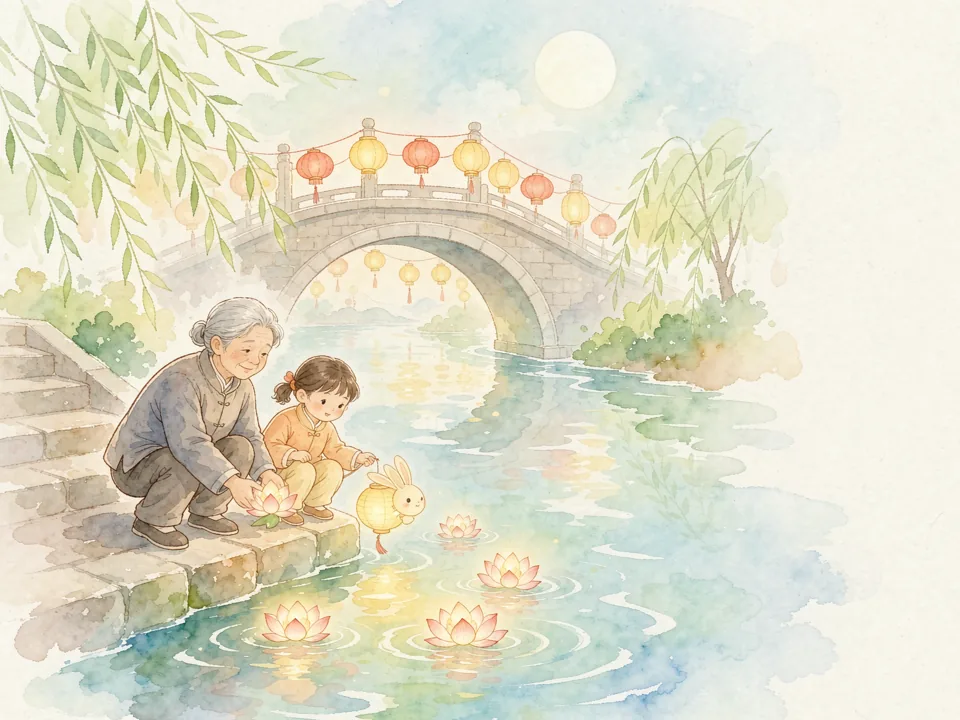
安娜,元宵节快乐。今晚公园有灯会,我们先沿着河边走过去,再看街心那盏大灯。
ān nà , yuán xiāo jié kuài lè 。 jīn wǎn gōng yuán yǒu dēng huì , wǒ men xiān yán zhe hé biān zǒu guò qù , zài kàn jiē xīn nà zhǎn dà dēng 。
Anna, Happy Lantern Festival. There's a lantern fair in the park tonight — let's walk along the river first, then go and see the big lantern in the middle of the street.
谢谢。我只在照片里见过花灯。听说这一排灯已经摆了三十多年,是真的吗?
xiè xiè 。 wǒ zhī zài zhào piàn lǐ jiàn guò huā dēng 。 tīng shuō zhè yì pái dēng yǐ jīng bǎi le sān shí duō nián , shì zhēn de ma ?
Thank you. I've only seen festival lanterns in photographs. I hear this row has been put up for over thirty years — is that true?
据说是这样。每年正月十五前后,附近的老人也会带着孩子来看,比平时热闹得多。
jù shuō shì zhè yàng 。 měi nián zhēng yuè shí wǔ qián hòu , fù jìn de lǎo rén yě huì dài zhe hái zi lái kàn , bǐ píng shí rè nào dé duō 。
That's what people say. Around the fifteenth of the first lunar month every year, older neighbours bring their children too, and it's much livelier than usual.
您看,这盏灯下面挂着一张纸条,上面写着一句话。我先读一遍,再想想答案。
nín kàn , zhè zhǎn dēng xià miàn guà zhe yì zhāng zhǐ tiáo , shàng miàn xiě zhe yí jù huà 。 wǒ xiān dú yí biàn , zài xiǎng xiǎng dá àn 。
Look — under this lantern hangs a slip of paper with a line written on it. I'll read it once, then think about the answer.
那是灯谜。要是猜中了,就拿纸条去旁边换一份小礼物,往年都是一小包芝麻糖。
nà shì dēng mí 。 yào shi cāi zhòng le , jiù ná zhǐ tiáo qù páng biān huàn yí fèn xiǎo lǐ wù , wǎng nián dōu shì yì xiǎo bāo zhī má táng 。
That's a lantern riddle. If you guess it right, take the slip to the booth next to it and swap it for a small prize — in past years it's always been a little packet of sesame sweets.
「 bái tiān bú jiàn , yè lǐ guà zài tiān shàng 」 … … shì yuè liàng ma ? wǒ cāi dé duì bu duì ?
"Not seen by day, hanging in the sky at night" — is it the moon? Have I got it right?
走累了,我们去那边坐下吧。汤圆刚煮好,是用糯米粉做皮、包上芝麻馅,煮好连汤一起盛出来。
zǒu lèi le , wǒ men qù nà biān zuò xià ba 。 tāng yuán gāng zhǔ hǎo , shì yòng nuò mǐ fěn zuò pí 、 bāo shàng zhī má xiàn , zhǔ hǎo lián tāng yì qǐ shèng chū lái 。
We've walked enough — let's sit over there. The tangyuan have just been boiled: the skin is made from glutinous rice flour, the filling is sesame, and they're served in their cooking liquid.
甜是甜,不过不腻。原来要连着热汤一起端上来,我以前只见过装在盘子里的。
tián shì tián , bú guò bú nì 。 yuán lái yào lián zhe rè tāng yì qǐ duān shàng lái , wǒ yǐ qián zhǐ jiàn guò zhuāng zài pán zi lǐ de 。
Sweet, certainly, but not cloying. So they're served with the hot liquid — I'd only ever seen them drained on a plate before.
老人说,圆圆的汤圆摆在一张桌上,像一家人到齐了;这一晚过去,年就算过完了。
lǎo rén shuō , yuán yuán de tāng yuán bǎi zài yì zhāng zhuō shàng , xiàng yì jiā rén dào qí le ; zhè yì wǎn guò qù , nián jiù suàn guò wán le 。
The elders say that round tangyuan set out on one table look like the whole family gathered together — and once this night passes, the New Year season is over.
Words · 6
05春节New Year's Eve dinner with a foreign friendHSK 3
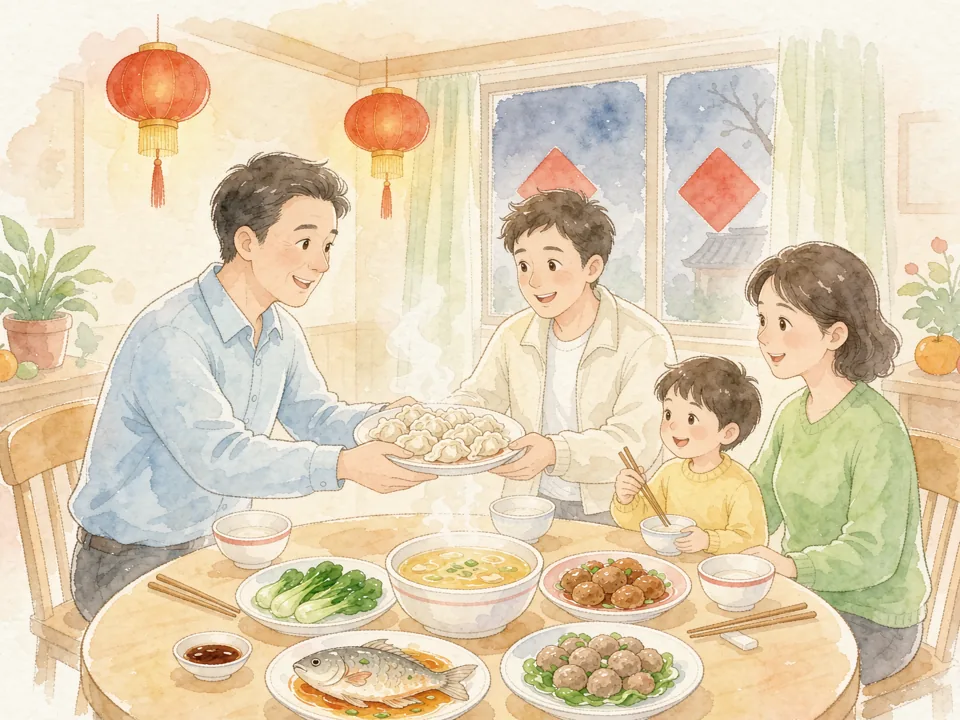
xiè xiè ! yé ye nǎi nai , xīn nián kuài lè ! wǒ gěi nín bài nián le 。
Thank you! Grandpa, Grandma, Happy New Year! I've come to pay my respects.
xiè xiè nǎi nai ! zhuō shàng shì shén me ? shì jiǎo zǐ ma ?
Thank you, Grandma! What's on the table? Are those dumplings?
jiǎo zǐ zhēn hǎo chī 。 wèi shén me jīn tiān yào chī yú ne ?
The dumplings are really good. Why do we eat fish today?
Words · 6
06清明Qingming morning with GrandpaHSK 6
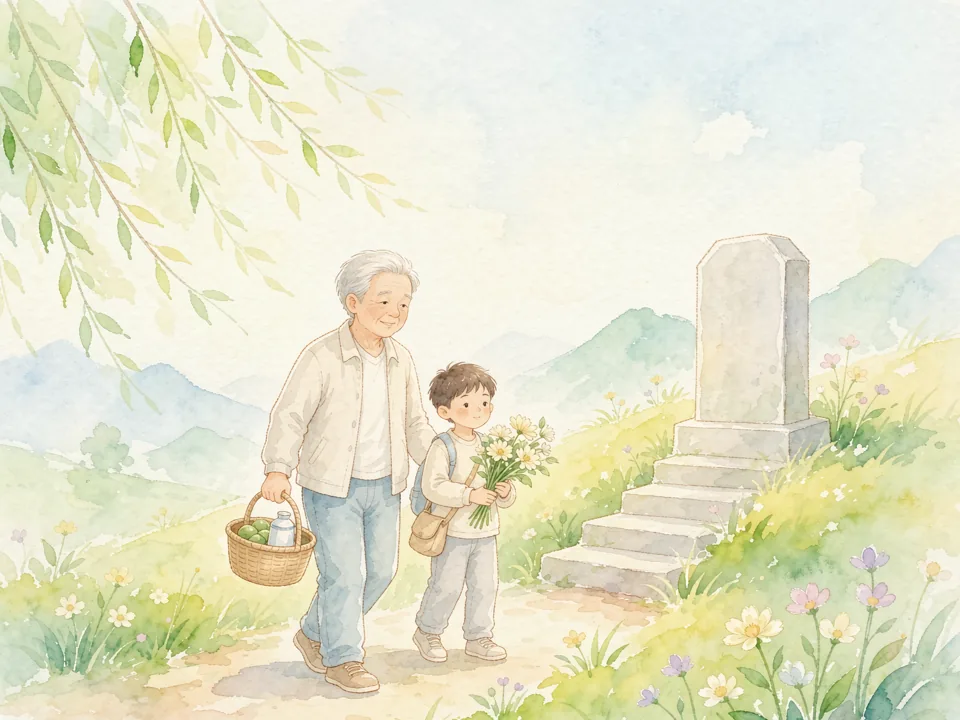
马丁,清明这天我们家习惯清晨出门,你若能早起,就一起走一趟吧;路不远,回来还能赶上早饭。
mǎ dīng , qīng míng zhè tiān wǒ men jiā xí guàn qīng chén chū mén , nǐ ruò néng zǎo qǐ , jiù yì qǐ zǒu yí tàng ba ; lù bù yuǎn , huí lái hái néng gǎn shàng zǎo fàn 。
Martin, on Qingming our family usually sets out at dawn. If you can get up early, come along with us — it's not far, and we'll still be back in time for breakfast.
当然能起。我查过资料,说清明既是节气,也是节日,是这样吗?另外,它为什么不像春节那样按农历算?
dāng rán néng qǐ 。 wǒ chá guò zī liào , shuō qīng míng jì shì jié qì , yě shì jié rì , shì zhè yàng ma ? lìng wài , tā wèi shén me bú xiàng chūn jié nà yàng àn nóng lì suàn ?
Of course I can. I looked it up: Qingming is both a solar term and a festival — is that right? And why isn't it dated by the lunar calendar, the way Spring Festival is?
说得不错。二十四节气按太阳走,所以清明落在阳历四月四日或五日;春分后十五日,草正好长起来,人就顺路下田看看。
shuō dé bú cuò 。 èr shí sì jié qì àn tài yáng zǒu , suǒ yǐ qīng míng luò zài yáng lì sì yuè sì rì huò wǔ rì ; chūn fēn hòu shí wǔ rì , cǎo zhèng hǎo cháng qǐ lái , rén jiù shùn lù xià tián kàn kàn 。
Well put. The twenty-four solar terms follow the sun, so Qingming falls on 4 or 5 April in the Gregorian calendar. Fifteen days after the Spring Equinox the grass is just coming up, and people naturally walk out to the fields on the same trip.
到了。请您把花放在碑前,再往后退半步;我们先站一会儿,然后一起鞠躬。花不用摆得整齐,放着就好。
dào le 。 qǐng nín bǎ huā fàng zài bēi qián , zài wǎng hòu tuì bàn bù ; wǒ men xiān zhàn yí huì er , rán hòu yì qǐ jū gōng 。 huā bú yòng bǎi dé zhěng qí , fàng zhe jiù hǎo 。
Here we are. Please lay the flowers in front of the stone, then step back half a pace. We'll stand quietly for a moment, then bow together. The flowers needn't be arranged just so — simply putting them down is enough.
我原以为这里会很安静,没想到沿路都是慢慢走着的家人。碑上的字有些淡了,是雨水冲的吗?
wǒ yuán yǐ wéi zhè lǐ huì hěn ān jìng , méi xiǎng dào yán lù dōu shì màn màn zǒu zhe de jiā rén 。 bēi shàng de zì yǒu xiē dàn le , shì yǔ shuǐ chōng de ma ?
I had expected it to be very quiet here; instead the whole path is full of families walking slowly. The lettering on the stone has faded a little — was that the rain?
是,也不全是。字被雨水冲淡,外婆每年带块软布来擦;草长高了就顺手拔掉。与其说是修碑,不如说是借着这点事,把名字再念一遍。
shì , yě bù quán shì 。 zì bèi yǔ shuǐ chōng dàn , wài pó měi nián dài kuài ruǎn bù lái cā ; cǎo cháng gāo le jiù shùn shǒu bá diào 。 yǔ qí shuō shì xiū bēi , bù rú shuō shì jiè zhe zhè diǎn shì , bǎ míng zì zài niàn yí biàn 。
Partly, but not entirely. The rain fades the lettering, so Grandma brings a soft cloth each year to wipe it; when weeds grow tall, we pull them up as we go. Rather than repairing the stone, it's more a way of using this small task to read the names out once again.
外公每年都先把名字一个个念给我听,再讲他们当年怎么从北边搬到这里;我小时候只当是故事,后来才明白那也是家谱。
wài gōng měi nián dōu xiān bǎ míng zì yí gè gè niàn gěi wǒ tīng , zài jiǎng tā men dāng nián zěn me cóng běi biān bān dào zhè lǐ ; wǒ xiǎo shí hòu zhǐ dāng shì gù shì , hòu lái cái míng bái nà yě shì jiā pǔ 。
Every year Grandpa first reads the names out to me one by one, then tells how they moved down here from the north. As a child I took it for just a story; only later did I realise it was also our family record.
所以选清晨来,不只是为了避开人群,也是为了让外公走得从容些;这两件事,家里从来分开说吗?
suǒ yǐ xuǎn qīng chén lái , bù zhǐ shì wèi le bì kāi rén qún , yě shì wèi le ràng wài gōng zǒu dé cóng róng xiē ; zhè liǎng jiàn shì , jiā lǐ cóng lái fēn kāi shuō ma ?
So coming at dawn isn't only to avoid the crowds, but also so that Grandpa can walk at an easier pace. Does the family ever speak of these two reasons separately?
从不分开。老人只说「早点去,路上清净」,听着是安排,其实是把敬意放进了时间;解释了反倒轻了。
cóng bù fēn kāi 。 lǎo rén zhī shuō 「 zǎo diǎn qù , lù shang qīng jìng 」 , tīng zhe shì ān pái , qí shí shì bǎ jìng yì fàng jìn le shí jiān ; jiě shì le fǎn dǎo qīng le 。
Never separately. The elders just say, "Go a little earlier, the road is quiet." It sounds like a plan, but in fact respect has been folded into the time itself; spelling it out would only make it lighter.
雨小了。我们沿着河堤走一段吧,外公带了青团,等风停了再把风筝放上去,柳枝插在土里就行。
yǔ xiǎo le 。 wǒ men yán zhe hé dī zǒu yí duàn ba , wài gōng dài le qīng tuán , děng fēng tíng le zài bǎ fēng zheng fàng shàng qù , liǔ zhī chā zài tǔ lǐ jiù xíng 。
The rain has eased. Let's walk a stretch along the riverbank — Grandpa has brought qingtuan. Once the wind drops we'll fly the kite, and the willow twig simply goes into the soil.
这绿色很干净。我原以为是用颜料调的,听你们说是艾草汁和糯米粉做的,倒想问问:里面的豆沙是先包好再蒸的吗?
zhè lǜ sè hěn gān jìng 。 wǒ yuán yǐ wéi shì yòng yán liào tiáo de , tīng nǐ men shuō shì ài cǎo zhī hé nuò mǐ fěn zuò de , dǎo xiǎng wèn wèn : lǐ miàn de dòu shā shì xiān bāo hǎo zài zhēng de ma ?
That green is very clean. I'd assumed it was mixed with food colouring; now that you tell me it's mugwort juice and glutinous rice flour, I'd like to ask: is the bean paste wrapped in first and the ball steamed afterwards?
是先包再蒸,不过皮要趁热揉,凉了就揉不动。颜色来自草叶,不是加了什么;这一点,我母亲也是从她母亲那儿学来的。
shì xiān bāo zài zhēng , bú guò pí yào chèn rè róu , liáng le jiù róu bú dòng 。 yán sè lái zì cǎo yè , bú shì jiā le shén me ; zhè yì diǎn , wǒ mǔ qīn yě shì cóng tā mǔ qīn nà ér xué lái de 。
Yes, wrapped first and then steamed — but the dough has to be kneaded while warm; once it cools it won't work. The colour comes from the leaves, nothing is added. My mother learned that from her mother, too.
你们看,河对岸有人放风筝,柳枝也发芽了。清明并不只属于悲伤;把墓收拾好,再走一段春天的路,两件事本来就在同一天。
nǐ men kàn , hé duì àn yǒu rén fàng fēng zheng , liǔ zhī yě fā yá le 。 qīng míng bìng bù zhī shǔ yú bēi shāng ; bǎ mù shōu shí hǎo , zài zǒu yí duàn chūn tiān de lù , liǎng jiàn shì běn lái jiù zài tóng yì tiān 。
Look — someone is flying a kite on the far bank, and the willow is budding. Qingming isn't only about grief: tending the grave and then walking a stretch of spring road were, from the start, two things belonging to the same day.
我记下了。尽管这几年都在国外,往后清明我也会给家里打个电话;明年若还能来,请让我再听一遍那些名字。
wǒ jì xià le 。 jǐn guǎn zhè jǐ nián dōu zài guó wài , wǎng hòu qīng míng wǒ yě huì gěi jiā lǐ dǎ gè diàn huà ; míng nián ruò hái néng lái , qǐng ràng wǒ zài tīng yí biàn nà xiē míng zì 。
I've written that down. Even though I've been abroad these past few years, from now on I'll call home on Qingming too; and if I can come again next year, please let me hear those names once more.
Words · 6
07端午Dragon-boat rehearsal and making zongziHSK 7
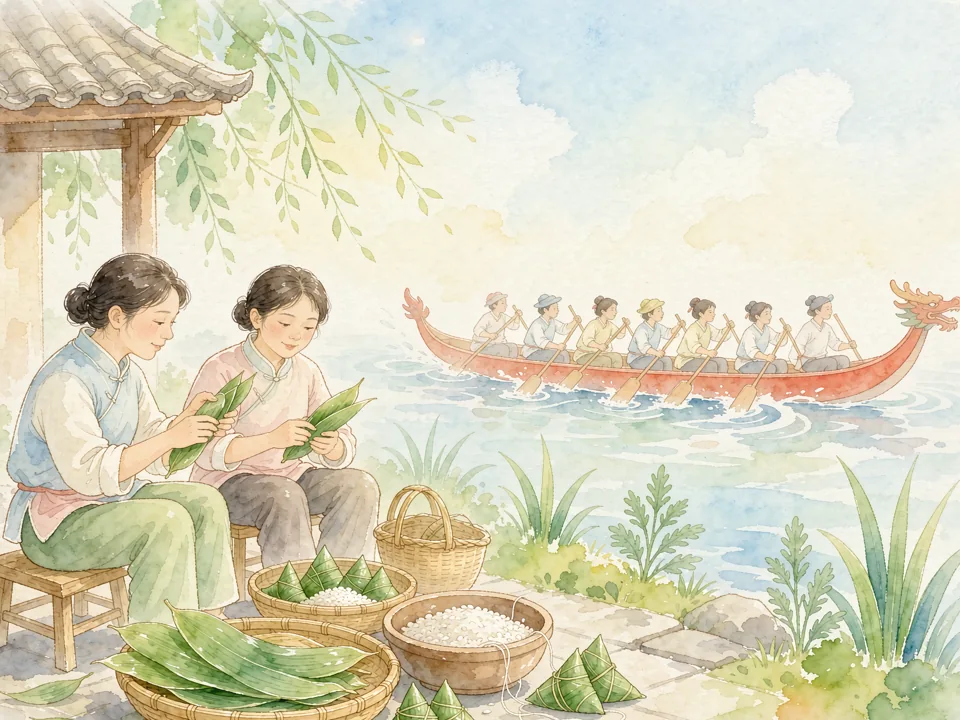
诺亚,明天才是正日,今天先来看预演。与其在书里读「竞渡」两个字,倒不如站在河堤上听一遍鼓点;回头我们再到奶奶家包粽子,天黑前正好能下锅。
nuò yà , míng tiān cái shì zhèng rì , jīn tiān xiān lái kàn yù yǎn 。 yǔ qí zài shū lǐ dú 「 jìng dù 」 liǎng gè zì , dǎo bù rú zhàn zài hé dī shàng tīng yí biàn gǔ diǎn ; huí tóu wǒ men zài dào nǎi nai jiā bāo zòng zǐ , tiān hēi qián zhèng hǎo néng xià guō 。
Noah, tomorrow is the proper day; today we'll just watch the rehearsal. Rather than read the word "boat race" in a book, it is better to stand on the embankment and hear the drum once through. Afterwards we'll go to Grandma's to wrap zongzi — they'll go into the pot just before dark.
我查过的材料几乎都把端午直接写成「纪念屈原」,读起来像是已经有了定论。可日期又按农历走,跟清明按阳历算不一样;这两层说法,哪一层更靠得住?
wǒ chá guò de cái liào jī hū dōu bǎ duān wǔ zhí jiē xiě chéng 「 jì niàn qū yuán 」 , dú qǐ lái xiàng shì yǐ jīng yǒu le dìng lùn 。 kě rì qī yòu àn nóng lì zǒu , gēn qīng míng àn yáng lì suàn bù yí yàng ; zhè liǎng céng shuō fǎ , nǎ yì céng gèng kào de zhù ?
Almost everything I've read simply presents Duanwu as "commemorating Qu Yuan", which reads as though the matter were settled. Yet the date follows the lunar calendar, unlike Qingming, which is reckoned by the solar one. Of these two layers, which is the more reliable?
把屈原写进端午,是后人传下来的一种讲法,传得久,不等于记得早。真要靠得住的,是日子本身:仲夏雨水多、河水涨,草木也正好,挂草、下水、包叶子,都赶在这几天。
bǎ qū yuán xiě jìn duān wǔ , shì hòu rén chuán xià lái de yì zhǒng jiǎng fǎ , chuán dé jiǔ , bù děng yú jì de zǎo 。 zhēn yào kào de zhù de , shì rì zi běn shēn : zhòng xià yǔ shuǐ duō 、 hé shuǐ zhǎng , cǎo mù yě zhèng hǎo , guà cǎo 、 xià shuǐ 、 bāo yè zi , dōu gǎn zài zhè jǐ tiān 。
Reading Qu Yuan into Duanwu is an account handed down by later generations; that it has been told for a long time does not mean it was recorded early. What can really be relied on is the date itself: midsummer brings rain, rising rivers and plants at their best, and hanging herbs, taking to the water and wrapping leaves all fall in these few days.
您听,鼓手在船头定拍子,二十支桨跟着落。相形之下,岸上反倒安静;要紧的不是谁划得最用力,是这一船人能不能把同一拍落在同一处。
nín tīng , gǔ shǒu zài chuán tóu dìng pāi zi , èr shí zhī jiǎng gēn zhuó luò 。 xiāng xíng zhī xià , àn shàng fǎn dǎo ān jìng ; yào jǐn de bú shì shuí huà dé zuì yòng lì , shì zhè yì chuán rén néng bu néng bǎ tóng yì pāi luò zài tóng yí chù 。
Listen: the drummer sets the beat at the bow, and twenty paddles fall in with it. By comparison the bank is quieter. What matters is not who pulls hardest, but whether the whole boat can land the same beat in the same place.
本以为预演会松散些,倒发现每一趟都从同一段河道起、在同一处收,连靠岸的角度都差不多。我原想把这当成热闹看,现在更想问:这些分寸是谁定下来的?
běn yǐ wéi yù yǎn huì sōng sǎn xiē , dǎo fā xiàn měi yí tàng dōu cóng tóng yí duàn hé dào qǐ 、 zài tóng yí chù shōu , lián kào àn de jiǎo dù dōu chà bù duō 。 wǒ yuán xiǎng bǎ zhè dàng chéng rè nào kàn , xiàn zài gèng xiǎng wèn : zhè xiē fēn cùn shì shuí dìng xià lái de ?
I had assumed a rehearsal would be looser, yet every run starts from the same stretch of channel and ends at the same point; even the angle of coming alongside is much the same. I first meant to watch it as a bit of spectacle, but now I would rather ask: who settled all this measure?
没人开会定过。一年一年照着做,手就记住了。所谓「避五毒」,说穿了也是把入夏该留意的事挂在门上:艾草、菖蒲、给孩子系五彩绳,看得见,也就记得住。
méi rén kāi huì dìng guò 。 yì nián yi nián zhào zhe zuò , shǒu jiù jì zhù le 。 suǒ wèi 「 bì wǔ dú 」 , shuō chuān le yě shì bǎ rù xià gāi liú yì de shì guà zài mén shàng : ài cǎo 、 chāng pú 、 gěi hái zi xì wǔ cǎi shéng , kàn dé jiàn , yě jiù jì de zhù 。
Nobody sat down and fixed it. Doing it the same way year after year, the hands simply remembered. And what is called "warding off the five harms" is, plainly, a matter of hanging the concerns of early summer on the door: mugwort, sweet flag, a five-colour cord on the child's wrist — once they can be seen, they can be remembered.
进屋吧。叶子先煮软,折成角,装米,再绕两圈线捆紧,最后才下锅;少一步,形状就守不住。奶奶不称量,手一掂就说够了,我到现在也学不像。
jìn wū ba 。 yè zi xiān zhǔ ruǎn , zhé chéng jiǎo , zhuāng mǐ , zài rào liǎng quān xiàn kǔn jǐn , zuì hòu cái xià guō ; shǎo yí bù , xíng zhuàng jiù shǒu bú zhù 。 nǎi nai bù chēng liáng , shǒu yì diān jiù shuō gòu le , wǒ dào xiàn zài yě xué bú xiàng 。
Come inside. The leaves are boiled soft first, folded into a corner, filled with rice, then wound twice with thread and tied tight — only at the end do they go into the pot; skip a step and the shape won't hold. Grandma never weighs anything: she hefts it once and says that's enough, and I still can't quite copy her.
这袋是咸蛋黄和五花肉,那碗是豆沙。我一路听说南方爱咸、北方爱甜,几乎要争出个正统来;到了灶前倒想问,家里两样都做,算不算没有立场?
zhè dài shì xián dàn huáng hé wǔ huā ròu , nà wǎn shì dòu shā 。 wǒ yí lù tīng shuō nán fāng ài xián 、 běi fāng ài tián , jī hū yào zhēng chū gè zhèng tǒng lái ; dào le zào qián dǎo xiǎng wèn , jiā lǐ liǎng yàng dōu zuò , suàn bu suàn méi yǒu lì chǎng ?
This bag is salted yolk and pork belly, that bowl is red-bean paste. All the way here I kept hearing that the south prefers savoury and the north sweet, almost as if a contest for orthodoxy were under way. Now that I'm at the stove, I'd rather ask: if a household makes both, does that count as taking no position?
哪有什么立场。未尝不能把这桩咸甜之争当件小事看,不至于因此就分出哪边更正统。你沈芸爱吃咸的,她表弟偏要豆沙,一锅里煮着两样,谁也没少过一口。
nǎ yǒu shén me lì chǎng 。 wèi cháng bù néng bǎ zhè zhuāng xián tián zhī zhēng dāng jiàn xiǎo shì kàn , bú zhì yú yīn cǐ jiù fēn chū nǎ biān gēng zhèng tǒng 。 nǐ shěn yún ài chī xián de , tā biǎo dì piān yào dòu shā , yì guō lǐ zhǔ zhe liǎng yàng , shuí yě méi shǎo guò yì kǒu 。
There is no position to take. One might well treat this savoury-and-sweet argument as a small thing; there is no need to settle from it which side is more authentic. Shen Yun here likes the savoury one, her cousin insists on red-bean paste, and both boil away in the same pot — nobody has ever gone short of a bite.
说南北分得那么齐,其实也未必;一路往西,包法又换了一种。倒是有件事我年年看:门框上那张红纸条被雨冲得字都淡了,奶奶不用念,手已经知道艾草该挂在哪一边。
shuō nán běi fēn dé nà me qí , qí shí yě wèi bì ; yí lù wǎng xī , bāo fǎ yòu huàn le yì zhǒng 。 dǎo shì yǒu jiàn shì wǒ nián nián kàn : mén kuàng shàng nà zhāng hóng zhǐ tiáo bèi yǔ chōng dé zì dōu dàn le , nǎi nai bú yòng niàn , shǒu yǐ jīng zhī dào ài cǎo gāi guà zài nǎ yì biān 。
It is not quite true that north and south divide so neatly; heading west, the way of wrapping changes again. But one thing I see every year: the lettering on that red strip on the doorframe has been washed pale by rain, and without reading it Grandma's hands already know which side the mugwort goes on.
我还是有一处没顺过来:同一天里,一边是纪念,一边是避暑、下水、挂草,看上去像两件不相干的事。写介绍的时候,是不是总得挑一个当主线,其余的算附上去的?
wǒ hái shì yǒu yí chù méi shùn guò lái : tóng yì tiān lǐ , yì biān shì jì niàn , yì biān shì bì shǔ 、 xià shuǐ 、 guà cǎo , kàn shàng qù xiàng liǎng jiàn bù xiāng gān de shì 。 xiě jiè shào de shí hòu , shì bu shì zǒng děi tiāo yí gè dāng zhǔ xiàn , qí yú de suàn fù shàng qù de ?
One point still does not sit right with me: within a single day there is commemoration on one side, and on the other, keeping cool, going out on the water, hanging herbs — they look like two unrelated matters. When one writes an introduction, must one always choose one as the main thread and treat the rest as something added on?
不必挑。习俗不是一次写定的,是一代一代叠上去的:先有日子,后有讲法,再往后才有课本里那一行字。讲清楚来历固然好,可留一点分寸,倒也不必定于一说。
bú bì tiāo 。 xí sú bú shì yí cì xiě dìng de , shì yí dài yi dài dié shàng qù de : xiān yǒu rì zi , hòu yǒu jiǎng fǎ , zài wǎng hòu cái yǒu kè běn lǐ nà yì háng zì 。 jiǎng qīng chǔ lái lì gù rán hǎo , kě liú yì diǎn fēn cùn , dǎo yě bú bì dìng yú yì shuō 。
There is no need to choose. A custom is not written down once and for all; it is built up layer by layer: first the time of year, then the telling, and only later the single line in the textbook. Explaining the origin clearly is all very well, but keeping a little measure means it need not be pinned to one account.
明天正式那趟,我们还是站老位置:河堤第三段,看得见鼓手,也看得见收桨。奶奶会给邻居小孩系五彩绳;你要是愿意,也留一根,不必问它管什么用。
míng tiān zhèng shì nà tàng , wǒ men hái shì zhàn lǎo wèi zhì : hé dī dì sān duàn , kàn dé jiàn gǔ shǒu , yě kàn dé jiàn shōu jiǎng 。 nǎi nai huì gěi lín jū xiǎo hái xì wǔ cǎi shéng ; nǐ yào shi yuàn yì , yě liú yì gēn , bú bì wèn tā guǎn shén me yòng 。
For the real run tomorrow we'll stand in the old place again: the third stretch of the embankment, where you can see the drummer and also see the paddles lift. Grandma will tie five-colour cords on the neighbour's children; if you like, keep one too — no need to ask what it is for.
这趟我都写进本子了。即便回去以后翻不到鼓声,我也会记得:先煮叶、再折角、最后才下锅,还有奶奶说的「不必挑」。给家里打电话时,我大概讲不成一条主线,索性就照着顺序讲。
zhè tàng wǒ dōu xiě jìn běn zi le 。 jí biàn huí qù yǐ hòu fān bú dào gǔ shēng , wǒ yě huì jì de : xiān zhǔ yè 、 zài zhé jiǎo 、 zuì hòu cái xià guō , hái yǒu nǎi nai shuō de 「 bú bì tiāo 」 。 gěi jiā lǐ dǎ diàn huà shí , wǒ dà gài jiǎng bù chéng yì tiáo zhǔ xiàn , suǒ xìng jiù zhào zhe shùn xù jiǎng 。
I've written all of this trip into my notebook. Even if back home I cannot turn a page and find the drum again, I'll remember: boil the leaves first, then fold the corner, and only at the end put them in the pot — and Grandma's "there is no need to choose". When I call home I probably won't manage a single main thread, so I'll simply tell it in the order it happened.
照着顺序讲就很好。我们这一带的人,一辈子也没把端午讲成过一句整话;话留半句,明年你再来,锅还坐在原来的灶上。
zhào zhe shùn xù jiǎng jiù hěn hǎo 。 wǒ men zhè yí dài de rén , yí bèi zi yě méi bǎ duān wǔ jiǎng chéng guò yí jù zhěng huà ; huà liú bàn jù , míng nián nǐ zài lái , guō hái zuò zài yuán lái de zào shàng 。
Telling it in order is quite enough. People around here have never, in a whole lifetime, compressed Duanwu into one tidy sentence; we leave half a sentence unspoken. Come again next year — the pot will still be sitting on the same stove.
那半句我替您留着。明年若还赶上这个节气,我想自己折一次角,不用谁在旁边提醒;捆得松了,您再笑我一句就好。
nà bàn jù wǒ tì nín liú zhe 。 míng nián ruò hái gǎn shàng zhè ge jié qì , wǒ xiǎng zì jǐ zhé yí cì jiǎo , bú yòng shuí zài páng biān tí xǐng ; kǔn dé sōng le , nín zài xiào wǒ yí jù jiù hǎo 。
I'll keep that half sentence for you. If next year I happen to be here at the same season again, I'd like to fold the corner myself, with nobody prompting at my side; and if I tie it too loose, you can just have one laugh at me.
Words · 6
Useful expressions
01春节 · 给奶奶拜年Spring Festival · New Year Greetings to Grandma10 expressions
新年好!
xīn nián hǎo!
Happy New Year!
过年好!
guò nián hǎo!
Happy Spring Festival!
给您拜年了!
gěi nín bài nián le!
I’ve come to wish you a Happy New Year!
祝您身体健康!
zhù nín shēn tǐ jiàn kāng!
I wish you good health!
祝您新年快乐!
zhù nín xīn nián kuài lè!
Wishing you a happy New Year!
这是给你的红包。
zhè shì gěi nǐ de hóng bāo.
Here’s a red envelope for you.
谢谢奶奶!
xiè xie nǎi nai!
Thank you, Grandma!
快来吃饺子!
kuài lái chī jiǎo zi!
Come and have some jiaozi!
今天是大年初一。
jīn tiān shì dà nián chū yī.
Today is the first day of the Lunar New Year.
真乖!
zhēn guāi!
What a good child!
02元宵 · 逛灯会猜灯谜Lantern Festival · Strolling the Lantern Fair and Guessing Riddles12 expressions
元宵节快乐!
yuán xiāo jié kuài lè!
Happy Lantern Festival!
越往里走越热闹。
yuè wǎng lǐ zǒu yuè rè nao.
The further in you go, the livelier it gets.
那边挂满了兔子灯。
nà biān guà mǎn le tù zi dēng.
That side is hung all over with rabbit lanterns.
要不要先去猜灯谜?
yào bu yào xiān qù cāi dēng mí?
Shall we go and guess the lantern riddles first?
猜中就能换小奖品。
cāi zhòng jiù néng huàn xiǎo jiǎng pǐn.
Guess right and you can swap it for a little prize.
我一边吃一边想。
wǒ yì biān chī yì biān xiǎng.
I'll think while I eat.
北方叫元宵,南方叫汤圆。
běi fāng jiào yuán xiāo, nán fāng jiào tāng yuán.
In the north it is called yuanxiao, in the south tangyuan.
是把馅儿滚出来的。
shì bǎ xiànr gǔn chū lái de.
It is made by rolling the filling in flour — that's how.
原来如此!
yuán lái rú cǐ!
Oh, so that's how it is!
趁热吃,凉了就不好吃了。
chèn rè chī, liáng le jiù bù hǎo chī le.
Eat it while it's hot; once it cools it won't taste the same.
又甜又糯。
yòu tián yòu nuò.
Sweet and chewy at the same time.
今天月亮特别圆。
jīn tiān yuè liang tè bié yuán.
The moon is especially full tonight.
03中秋Mid-Autumn · Mooncakes and Family10 expressions
与其说「团圆」写的是一桌人齐了,毋宁说它写的是把缺的那个位置也一并算进去。
yǔ qí shuō tuán yuán xiě de shì yì zhuō rén qí le , wú nìng shuō tā xiě de shì bǎ quē de nà ge wèi zhì yě yí bìng suàn jìn qù 。
Rather than say "reunion" describes a full table, it would be closer to say it describes counting the empty place as part of the table too.
HSK 3.0 9诚然,古人写月的句子多到数不清;然而这一晚摆出来的不过几样东西,非但不显得薄,反而比任何引文都稳当。
chéng rán , gǔ rén xiě yuè de jù zi duō dào shǔ bù qīng ; rán ér zhè yì wǎn bǎi chū lái de bú guò jǐ yàng dōng xi , fēi dàn bù xiǎn de báo , fǎn ér bǐ rèn hé yǐn wén dōu wěn dang 。
It is true that the old poets wrote more lines about the moon than one can count; yet what is set out tonight is only a few things, and far from seeming thin, it rests more firmly than any quotation.
HSK 3.0 9恰恰因为不是每年都能到齐,人们才把一个日子定下来,好让不能来的人也有个被想起的时候。
qià qià yīn wèi bú shì měi nián dōu néng dào qí , rén men cái bǎ yí gè rì zi dìng xià lái , hǎo ràng bù néng lái de rén yě yǒu gè bèi xiǎng qǐ de shí hou 。
Precisely because not everyone can be present every year, people fixed one date, so that those who cannot come may still have a moment of being remembered.
HSK 3.0 9所谓「阴晴圆缺」,字面上说的是月;引申开去,说的其实是人手里的聚散,两下并不等同,却也不必拆开。
suǒ wèi yīn qíng yuán quē , zì miàn shàng shuō de shì yuè ; yǐn shēn kāi qù , shuō de qí shí shì rén shǒu lǐ de jù sàn , liǎng xià bìng bù děng tóng , què yě bú bì chāi kāi 。
What is called "clouded, clear, full, waning" speaks literally of the moon; extended, it speaks of people coming together and parting. The two are not identical, yet there is no need to pull them apart.
HSK 3.0 9及至月色越过墙头,才把石桌擦净、把柚子摆在中间、再把月饼按人数切开;次序不必写在纸上。
jí zhì yuè sè yuè guò qiáng tóu , cái bǎ shí zhuō cā jìng 、 bǎ yòu zi bǎi zài zhōng jiān 、 zài bǎ yuè bǐng àn rén shù qiē kāi ; cì xù bú bì xiě zài zhǐ shàng 。
Only when the moonlight has cleared the top of the wall do we wipe the stone table, set the pomelo in the middle, and cut the mooncake into as many pieces as there are people; the order need not be written down on paper.
HSK 3.0 9纵然隔着整片时差,屏幕里那句「吃了没有」也照旧落座;既非家书,亦非到场,却把空位填得不露痕迹。
zòng rán gé zhe zhěng piàn shí chā , píng mù lǐ nà jù chī le méi yǒu yě zhào jiù luò zuò ; jì fēi jiā shū , yì fēi dào chǎng , què bǎ kōng wèi tián de bú lù hén jì 。
Even across a whole timezone's difference, that "have you eaten yet?" on the screen takes its usual place at the table; it is neither a letter from home nor a person arriving, yet it fills the empty seat without leaving a trace.
HSK 3.0 9姑且把模子上那几个模糊的字认作「团圆」好了;未必真要认得清,倒更像是给手一个下手的地方。
gū qiě bǎ mú zi shàng nà jǐ gè mó hu de zì rèn zuò tuán yuán hǎo le ; wèi bì zhēn yào rèn de qīng , dào gèng xiàng shì gěi shǒu yí gè xià shǒu de dì fang 。
Let us take those blurred characters on the mould for "reunion" and leave it there; one need not really make them out — it is more like giving the hands a place to begin.
HSK 3.0 9由一盘果子而一桌人,由一桌人而几年不见的名字,再由名字回到眼前这只空杯;话就是这样一层层铺开的。
yóu yì pán guǒ zi ér yì zhuō rén , yóu yì zhuō rén ér jǐ nián bú jiàn de míng zi , zài yóu míng zi huí dào yǎn qián zhè zhī kōng bēi ; huà jiù shì zhè yàng yì céng céng pū kāi de 。
From a plate of fruit to the people at the table, from those people to names not heard in years, and from the names back to this empty cup in front of us — that is how the talk unfolds, layer by layer.
HSK 3.0 9把「过节」视作非得说点什么的日子,反倒是把它看小了;许多时候,不过是几个人坐得比平常久一些。
bǎ guò jié shì zuò fēi děi shuō diǎn shén me de rì zi , fǎn dào shì bǎ tā kàn xiǎo le ; xǔ duō shí hou , bú guò shì jǐ gè rén zuò de bǐ píng cháng jiǔ yì xiē 。
To treat "keeping the festival" as a day on which something must be said is, on the contrary, to make it smaller; very often it is simply a few people sitting a little longer than usual.
HSK 3.0 9说到底,写这一晚的人未必需要引文;把该摆的摆好,该留的留着,读者自会看见没有写出来的那半句。
shuō dào dǐ , xiě zhè yì wǎn de rén wèi bì xū yào yǐn wén ; bǎ gāi bǎi de bǎi hǎo , gāi liú de liú zhe , dú zhě zì huì kàn jiàn méi yǒu xiě chū lái de nà bàn jù 。
In the end, whoever writes this evening has no need of a quotation; set out what should be set out, leave what should be left, and the reader will see for themselves the half line that was never written.
HSK 3.0 904元宵Lantern Festival · A Night at the Lantern Fair8 expressions
元宵节快乐!今晚公园有灯会,我们沿着河边走过去,再看街心那盏大灯。
yuán xiāo jié kuài lè ! jīn wǎn gōng yuán yǒu dēng huì , wǒ men yán zhe hé biān zǒu guò qù , zài kàn jiē xīn nà zhǎn dà dēng 。
Happy Lantern Festival! There's a lantern fair in the park tonight — let's walk along the river first, then see the big lantern in the middle of the street.
HSK 3.0 3–4请问,两张票多少钱?靠河那一排灯现在还能进去吗?
qǐng wèn , liǎng zhāng piào duō shǎo qián ? kào hé nà yì pái dēng xiàn zài hái néng jìn qù ma ?
Excuse me, how much are two tickets? Is the row of lanterns by the river still open?
HSK 3.0 3这盏灯下面挂着一张纸条,我先读一遍,再想想答案。
zhè zhǎn dēng xià miàn guà zhe yì zhāng zhǐ tiáo , wǒ xiān dú yí biàn , zài xiǎng xiǎng dá àn 。
There's a paper slip hanging under this lantern. I'll read it once, then think about the answer.
HSK 3.0 3–4要是猜中了,就拿纸条去旁边换一份小礼物。
yào shi cāi zhòng le , jiù ná zhǐ tiáo qù páng biān huàn yí fèn xiǎo lǐ wù 。
If you guess it right, take the slip to the booth beside it and exchange it for a small prize.
HSK 3.0 3–4汤圆刚煮好,趁热吃;凉了就不那么软了。
tāng yuán gāng zhǔ hǎo , chèn rè chī ; liáng le jiù bú nà me ruǎn le 。
The tangyuan have just come out of the pot — eat them while they're hot; once they cool, they won't be as soft.
HSK 3.0 3–4里面是芝麻馅,甜是甜,不过不腻。
lǐ miàn shì zhī ma xiàn , tián shì tián , bú guò bú nì 。
The filling is sesame — sweet, certainly, but not cloying.
HSK 3.0 4我先把照片发给家里,等回去再慢慢讲给他们听。
wǒ xiān bǎ zhào piàn fā gěi jiā lǐ , děng huí qù zài màn màn jiǎng gěi tā men tīng 。
I'll send the photos home first, and tell them all about it properly once I'm back.
HSK 3.0 4这一晚过去,年就算过完了;明年元宵,我们还来。
zhè yì wǎn guò qù , nián jiù suàn guò wán le ; míng nián yuán xiāo , wǒ men hái lái 。
Once this night is over, the New Year season is behind us — we'll come back next Lantern Festival too.
HSK 3.0 405春节Spring Festival · New Year's Eve Dinner6 expressions
新年快乐!
xīn nián kuài lè !
Happy New Year!
HSK 3.0 1我给您拜年了!
wǒ gěi nín bài nián le !
I've come to wish you a Happy New Year!
HSK 3.0 2今晚一起吃年夜饭吧。
jīn wǎn yì qǐ chī nián yè fàn ba 。
Let's have the New Year's Eve dinner together tonight.
HSK 3.0 2这是给你的红包,祝你身体健康。
zhè shì gěi nǐ de hóng bāo , zhù nǐ shēn tǐ jiàn kāng 。
Here's a red envelope for you — may you stay healthy.
HSK 3.0 2饺子真好吃,我还想再吃一点。
jiǎo zi zhēn hǎo chī , wǒ hái xiǎng zài chī yì diǎn 。
The dumplings are really good — I'd like a few more.
HSK 3.0 2我们明年再来看您。
wǒ men míng nián zài lái kàn nín 。
We'll come to see you again next year.
HSK 3.0 206清明Qingming · Tomb-Sweeping Morning10 expressions
清明并不只属于悲伤:人们既清理墓地,也顺路走进春天的田野。
qīng míng bìng bù zhǐ shǔ yú bēi shāng : rén men jì qīng lǐ mù dì , yě shùn lù zǒu jìn chūn tiān de tián yě 。
Qingming is not only about grief: people tidy the graves and, on the same outing, walk out into the spring fields as well.
HSK 3.0 5与其说这是一场仪式,不如说是一次把家里人的名字重新念一遍的机会。
yǔ qí shuō zhè shì yì chǎng yí shì , bù rú shuō shì yí cì bǎ jiā lǐ rén de míng zi chóng xīn niàn yí biàn de jī huì 。
Rather than call it a ceremony, I would call it a chance to read the family's names aloud once more.
HSK 3.0 6之所以选在清晨来,是因为路上人少,老人走起来也从容些。
zhī suǒ yǐ xuǎn zài qīng chén lái , shì yīn wèi lù shàng rén shǎo , lǎo rén zǒu qǐ lái yě cóng róng xiē 。
The reason we come in the early morning is that the road is quieter, and the elders can walk at an easier pace.
HSK 3.0 6尽管这几年我都在国外,清明这一天仍会跟家里通个电话。
jǐn guǎn zhè jǐ nián wǒ dōu zài guó wài , qīng míng zhè yì tiān réng huì gēn jiā lǐ tōng gè diàn huà 。
Even though I've been abroad these past few years, I still call home on Qingming Day.
HSK 3.0 5请您把花放在碑前,再往后退半步,我们一起鞠躬。
qǐng nín bǎ huā fàng zài bēi qián , zài wǎng hòu tuì bàn bù , wǒ men yì qǐ jū gōng 。
Please lay the flowers in front of the stone, then step back half a pace; we'll bow together.
HSK 3.0 5碑上的字被雨水冲淡了,外婆每年都带一块软布来擦。
bēi shàng de zì bèi yǔ shuǐ chōng dàn le , wài pó měi nián dōu dài yí kuài ruǎn bù lái cā 。
The lettering on the stone has been faded by the rain, so Grandma brings a soft cloth every year to wipe it clean.
HSK 3.0 5爷爷先把名字一个个念给我听,再讲他们当年怎么搬到这里。
yé ye xiān bǎ míng zi yí gè gè niàn gěi wǒ tīng , zài jiǎng tā men dāng nián zěn me bān dào zhè lǐ 。
Grandpa first reads the names out to me one by one, then tells me how they came to move here all those years ago.
HSK 3.0 5–6我原以为这里会很安静,没想到沿路都是慢慢走着的家人。
wǒ yuán yǐ wéi zhè lǐ huì hěn ān jìng , méi xiǎng dào yán lù dōu shì màn màn zǒu zhe de jiā rén 。
I had expected the place to be very quiet; instead, the whole path was filled with families walking slowly along.
HSK 3.0 5青团是用艾草汁和糯米粉做的,颜色来自草叶,并不是加了什么颜料。
qīng tuán shì yòng ài cǎo zhī hé nuò mǐ fěn zuò de , yán sè lái zì cǎo yè , bìng bú shì jiā le shén me yán liào 。
Qingtuan is made with mugwort juice and glutinous rice flour; the green comes from the leaves, not from any added colouring.
HSK 3.0 5–6等雨停了,我们沿着河堤走一段,把手里的柳枝插在土里就行。
děng yǔ tíng le , wǒ men yán zhe hé dī zǒu yí duàn , bǎ shǒu lǐ de liǔ zhī chā zài tǔ lǐ jiù xíng 。
Once the rain stops, we'll walk a stretch along the riverbank; just put the willow twig you're holding into the soil, and that's all.
HSK 3.0 507端午Dragon Boat Festival · Rehearsal and Zongzi10 expressions
与其说端午是在纪念某一个人,倒不如说它把好几种更古老的做法收在了同一天。
yǔ qí shuō duān wǔ shì zài jì niàn mǒu yí gè rén , dào bù rú shuō tā bǎ hǎo jǐ zhǒng gèng gǔ lǎo de zuò fǎ shōu zài le tóng yì tiān 。
Rather than say Duanwu commemorates one particular person, it would be fairer to say that it gathered several older practices into a single day.
HSK 3.0 7之所以选在五月初五,并非因为这一天本身特别,而是因为仲夏的雨水、草木和水路都到了合适的时候。
zhī suǒ yǐ xuǎn zài wǔ yuè chū wǔ , bìng fēi yīn wèi zhè yì tiān běn shēn tè bié , ér shì yīn wèi zhòng xià de yǔ shuǐ 、 cǎo mù hé shuǐ lù dōu dào le hé shì de shí hou 。
The reason the fifth day of the fifth month was chosen is not that the date itself is special, but that by midsummer the rain, the plants and the waterways have all reached the right point.
HSK 3.0 7即便这些年河道改过、鼓点也换了节奏,岸边的人还是会在同一段河堤上站好位置。
jí biàn zhè xiē nián hé dào gǎi guò 、 gǔ diǎn yě huàn le jié zòu , àn biān de rén hái shì huì zài tóng yí duàn hé dī shàng zhàn hǎo wèi zhì 。
Even though the channel has been altered over the years and the drumbeat has changed its rhythm, people still take up their places along the same stretch of bank.
HSK 3.0 7请您把粽叶先煮软,折成角,再拿棉线绕两圈捆扎紧;松了,米就会从缝里漏出来。
qǐng nín bǎ zòng yè xiān zhǔ ruǎn , zhé chéng jiǎo , zài ná mián xiàn rào liǎng quān kǔn zā jǐn ; sōng le , mǐ jiù huì cóng fèng lǐ lòu chū lái 。
Please boil the leaves until soft first, fold them into a corner, then wind cotton thread round twice and tie it tight; if it is loose, the rice will escape through the gap.
HSK 3.0 7门框上那张红纸条被雨水冲得看不清了,可老人家念都不用念,手已经知道该往哪儿挂艾草。
mén kuàng shàng nà zhāng hóng zhǐ tiáo bèi yǔ shuǐ chōng de kàn bù qīng le , kě lǎo rén jia niàn dōu bú yòng niàn , shǒu yǐ jīng zhī dào gāi wǎng nǎ r guà ài cǎo 。
The strip of red paper on the doorframe has been washed so faint by rain that it can hardly be read, yet the elders do not need to read it at all — their hands already know where to hang the mugwort.
HSK 3.0 7相形之下,船上要紧的并不是谁力气最大,而是二十个人能不能把同一拍落在一处。
xiāng xíng zhī xià , chuán shàng yào jǐn de bìng bú shì shuí lì qi zuì dà , ér shì èr shí gè rén néng bù néng bǎ tóng yì pāi luò zài yí chù 。
By comparison, what matters on the boat is not who is strongest, but whether twenty people can land the same stroke in the same place.
HSK 3.0 7未尝不能把咸甜之争当作一桩小事看;不至于因此就分出哪边更正统。
wèi cháng bù néng bǎ xián tián zhī zhēng dàng zuò yì zhuāng xiǎo shì kàn ; bú zhì yú yīn cǐ jiù fēn chū nǎ biān gèng zhèng tǒng 。
One might well treat the savoury-versus-sweet debate as a small matter; there is no need to decide from it which side is more authentic.
HSK 3.0 7所谓「避五毒」,其实是把入夏之后该留意的事,写成了门口看得见的一把草。
suǒ wèi bì wǔ dú , qí shí shì bǎ rù xià zhī hòu gāi liú yì de shì , xiě chéng le mén kǒu kàn de jiàn de yì bǎ cǎo 。
What is called "warding off the five harms" is really a way of writing the things one should mind after summer begins into a handful of herbs one can see at the door.
HSK 3.0 7先把叶子煮软、折角、装米、再绕线捆紧,最后才下锅;少一步,形状就守不住。
xiān bǎ yè zi zhǔ ruǎn 、 zhé jiǎo 、 zhuāng mǐ 、 zài rào xiàn kǔn jǐn , zuì hòu cái xià guō ; shǎo yí bù , xíng zhuàng jiù shǒu bú zhù 。
First boil the leaves soft, fold the corner, fill in the rice, then wind the thread and tie it tight — only at the end does it go into the pot; skip one step and the shape will not hold.
HSK 3.0 7说到底,习俗是一代一代叠上去的;讲清楚来历固然好,留一点分寸,倒也不必定于一说。
shuō dào dǐ , xí sú shì yí dài yí dài dié shàng qù de ; jiǎng qīng chu lái lì gù rán hǎo , liú yì diǎn fēn cùn , dào yě bú bì dìng yú yì shuō 。
In the end, a custom is built up layer by layer across generations; explaining its origins is all very well, but leaving a little room for uncertainty means it need not be pinned to a single account.
HSK 3.0 7Scene vocabulary
01春节 · 给奶奶拜年Spring Festival · New Year Greetings to Grandma24 words
Lunar New Year’s Day morning: a grandson greets his grandma at home.
02元宵 · 逛灯会猜灯谜Lantern Festival · Strolling the Lantern Fair and Guessing Riddles28 words
Evening of the 15th day of the first lunar month: two friends wander through a lantern fair in the park.
03中秋Mid-Autumn · Mooncakes and Family30 words
04元宵Lantern Festival · A Night at the Lantern Fair8 words
05春节Spring Festival · New Year's Eve Dinner8 words
06清明Qingming · Tomb-Sweeping Morning24 words
07端午Dragon Boat Festival · Rehearsal and Zongzi26 words
Scene content comes from the uploaded HSK scene collections. Dialogues are adapted learning material, not exam audio.