Scenes · 11
地理与环境Geography & Environment
Five geography scenes about rivers, mountains, weather and water.
Scene dialogues
01江边看山看水Mountains and Rivers by the YangtzeHSK 4
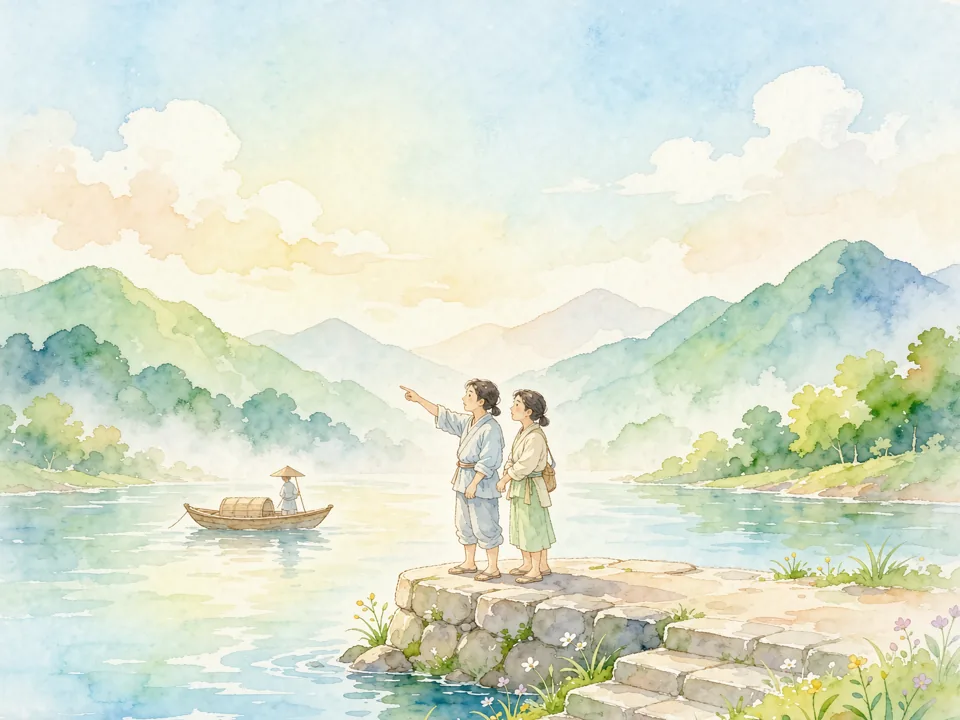
shì liǎng tiáo dà hé : nán biān de cháng jiāng , běi biān de huáng hé 。
They're two great rivers: the Yangtze in the south, the Yellow River in the north.
xià miàn zhè tiáo 。 nǐ kàn , tā hěn cháng , yě zài nán biān 。
This lower one. See — it's very long, and it's in the south too.
shàng miàn shì huáng hé 。 shuǐ yǒu diǎn huáng , suǒ yǐ jiào huáng hé 。
The upper one is the Yellow River. Its water is a bit yellow, so it's called the Yellow River.
tài yáng chū lái de zhè biān shì dōng 。 dì tú shàng , yòu biān shì dōng 。
East is the side where the sun comes up. On the map, east is on the right.
dōu wǎng dōng liú , liú dào dà hǎi 。 xiān xiě míng zì , zài xiě fāng xiàng 。
Both flow east, out to the sea. Write the names first, then the directions.
02雨后走江岸步道The Riverwalk After RainHSK 4
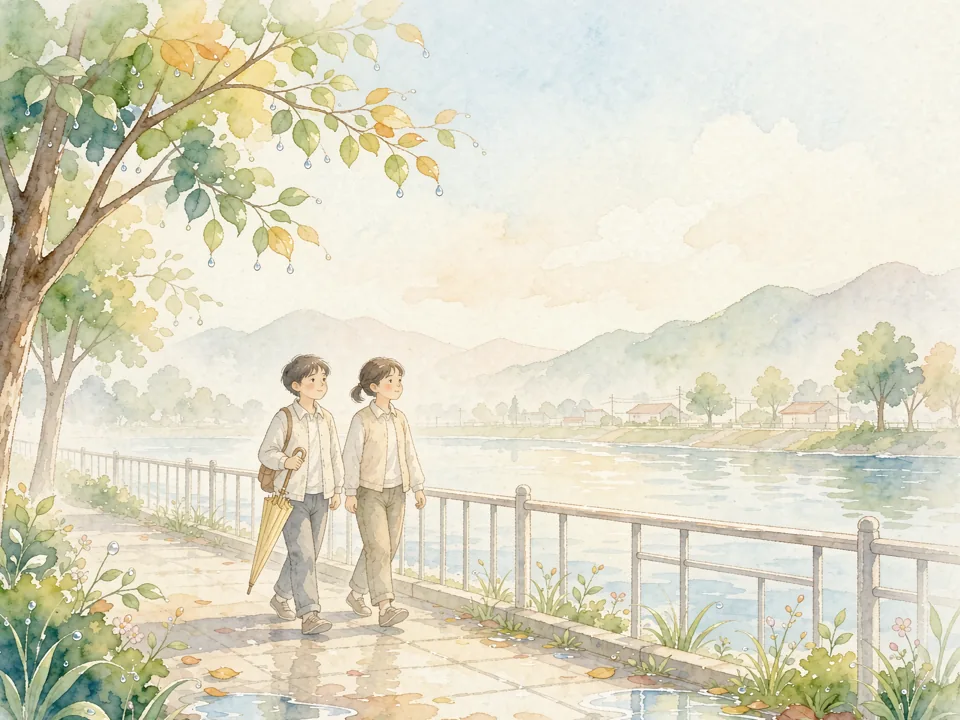
jì de hěn hǎo 。 jīn tiān kàn cháng jiāng zhōng jiān zhè yí duàn , tā jiào sān xiá 。
Well remembered. Today we'll look at the middle stretch of the Yangtze — it's called the Three Gorges.
bú shì sān zuò shān , shì sān duàn xiá gǔ 。 liǎng biān dōu shì gāo shān , jiāng cóng zhōng jiān chuān guò qù 。
Not three mountains — three gorges. There are high hills on both sides, and the river passes right through the middle.
huì 。 shān yì jiá , jiāng miàn jiù biàn zhǎi ; shuǐ dào zhǎi le , shuǐ jiù liú dé jí 。
It does. As soon as the hills squeeze in, the river narrows; and a narrow channel makes the water run fast.
shùn shuǐ wǎng dōng de chuán zǒu dé kuài , wǎng xī de chuán màn yì xiē 。 nǐ bǎ zhè ge xiě chéng liǎng jù 。
Boats going east with the current are quick; boats heading west are slower. Write that as two sentences.
shùn xù duì le 。 zài bǔ yí jù , xiě nǐ zuì xiǎng wèn de 。
The order is right. Add one more line — the thing you most want to ask.
hái wǎng dōng , yí lù liú dào dà hǎi 。 xiān bǎ zhè sān jù lián chéng yí duàn , bié xiě tài cháng 。
Still east, all the way to the sea. First join these three sentences into one paragraph — don't make it too long.
Words · 6
03支流汇入口看水文Where the Tributary Meets the RiverHSK 6
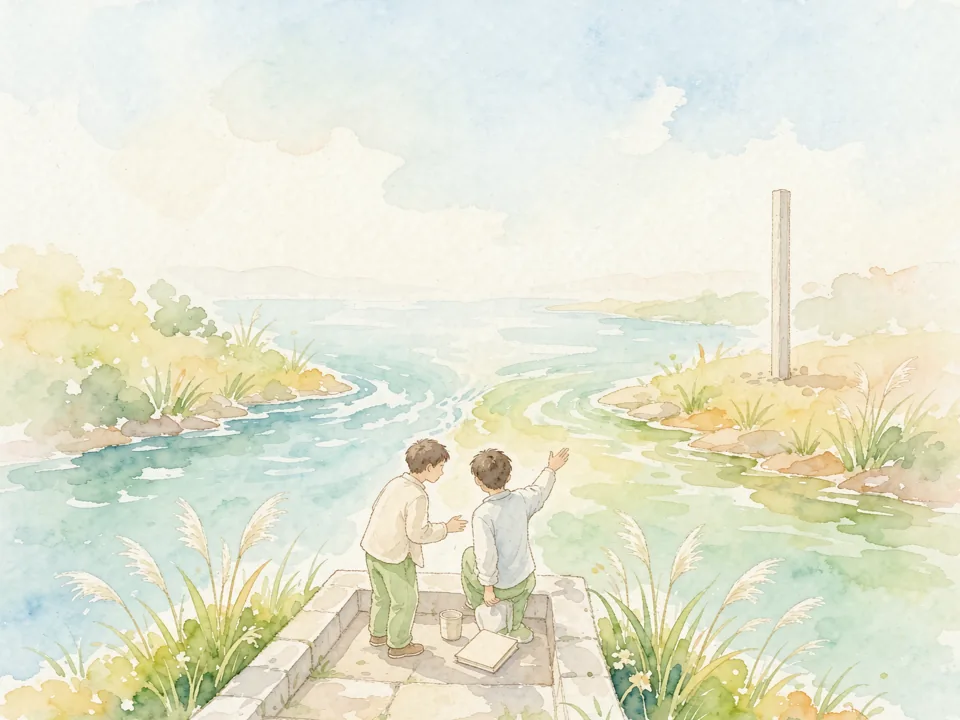
gāng huí lái 。 nǐ kàn zhè zhāng , shì huà shān , zài shǎn xī , lí huáng hé bù yuǎn 。
Just got back. Look at this one — that's Mount Hua, in Shaanxi, not far from the Yellow River.
zài běi biān 。 cóng shān jiǎo wǎng shàng kàn , zhěng zuò shān xiàng yí miàn qiáng , tè bié dǒu 。
Up north. From the foot of it, the whole mountain looks like a wall — really steep.
pá dé shàng qù , jiù shì dé zǒu hǎo jǐ gè xiǎo shí 。 shí jiē dǒu , yǒu xiē dì fāng dé fú zhe tiě liàn 。
You can, but it takes several hours. The stone steps are steep, and in places you have to hold an iron chain.
yǒu diǎn ér , bú guò zhǐ yào fú zhù le jiù wěn 。 jí shǐ màn màn zǒu , yě miǎn bù liǎo yào xiē jǐ cì 。
A bit, yes — but once you've got a grip, it's steady. Even going slowly, you can't help stopping a few times.
对,越往上风越大,也越凉。山下穿一件就够,山上反而得加一件。
duì , yuè wǎng shàng fēng yuè dà , yě yuè liáng 。 shān xià chuān yí jiàn jiù gòu , shān shàng fǎn ér dé jiā yí jiàn 。
Right — the higher, the stronger the wind and the cooler it gets. One layer's enough at the bottom; up top you actually need another.
bú shì méi rén zhǒng , shì tǔ báo 、 fēng dà , shí tou fèng lǐ cháng bù chū dà shù 。
It's not that nobody planted any — the soil's thin and the wind's strong, so big trees can't grow in the cracks of the rock.
嗯,一个看水,一个看山,完全不一样。我还特意回头望了一眼山脚。
ǹg , yí gè kàn shuǐ , yí gè kàn shān , wán quán bù yí yàng 。 wǒ hái tè yì huí tóu wàng le yì yǎn shān jiǎo 。
Yeah — one's about the water, one about the mountain; totally different. I even turned round for one more look at the foot.
yún dōu zài jiǎo xià zǒu zhe 。 shuō shí huà , pá de shí hòu chuǎn dé bù xíng , kě zhàn shàng qù jiù zhí le 。
The clouds were drifting right under my feet. Honestly, I was out of breath climbing — but standing up there made it worth it.
那就歇着等我,反正山也不会跑。接着咱们去黄河,把上回欠的那趟补上。
nà jiù xiē zhe děng wǒ , fǎn zhèng shān yě bú huì pǎo 。 jiē zhe zán men qù huáng hé , bǎ shàng huí qiàn de nà tàng bǔ shàng 。
Then just sit and wait for me — the mountain isn't going anywhere. After that we'll head to the Yellow River and finally take that trip we kept putting off.
04把雨留在院子里Keeping the Rain in the YardHSK 6
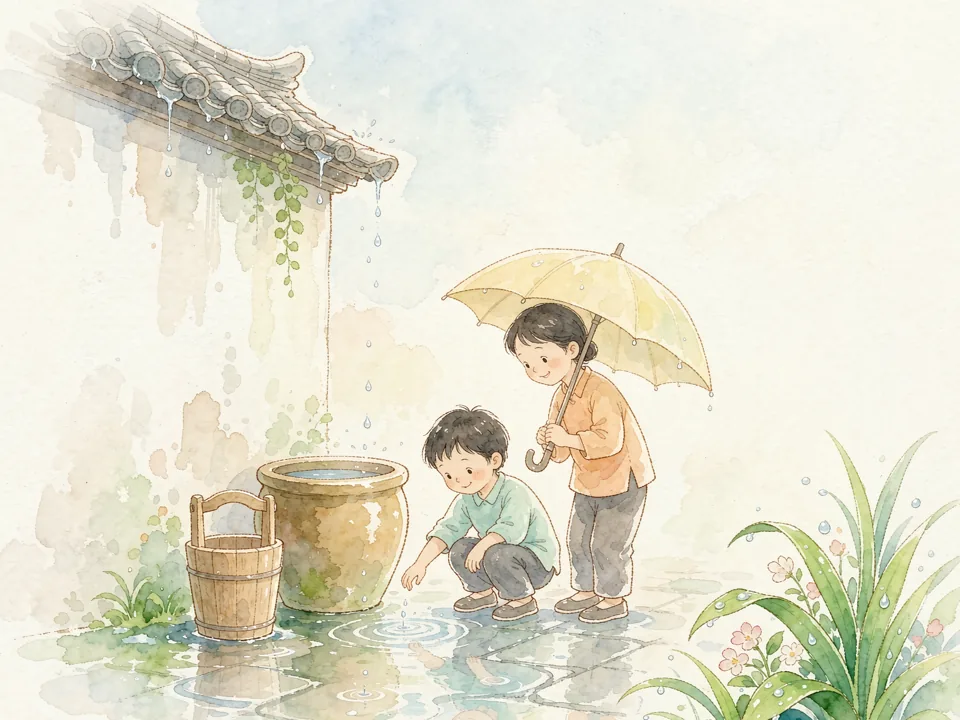
小川,你可算回来了!北京这会儿真那么冷?我刚从海南回来,下飞机差点儿没认出季节。
xiǎo chuān , nǐ kě suàn huí lái le ! běi jīng zhè huì er zhēn nà me lěng ? wǒ gāng cóng hǎi nán huí lái , xià fēi jī chà diǎn ér méi rèn chū jì jié 。
Xiao Chuan, you're finally back! Is Beijing really that cold? I've just come from Hainan — stepping off the plane I almost didn't recognise the season.
可不是嘛。我走那天穿短袖,落地就翻羽绒服。同一天,南北差出两个季节。
kě bú shì ma 。 wǒ zǒu nà tiān chuān duǎn xiù , luò dì jiù fān yǔ róng fú 。 tóng yì tiān , nán běi chà chū liǎng gè jì jié 。
Tell me about it. The day I left I was in a T-shirt; when I landed I was digging out a down jacket. Two seasons, one day — that's the north-south gap.
正好反过来。北京干,嘴唇起皮,可屋里一供暖气,反倒比上海舒服。
zhèng hǎo fǎn guò lái 。 běi jīng gān , zuǐ chún qǐ pí , kě wū lǐ yí gòng nuǎn qì , fǎn dǎo bǐ shàng hǎi shū fú 。
The exact opposite. Beijing is dry — my lips were peeling — but once the heating's on indoors, it's actually more comfortable than Shanghai.
一来海把热气兜着,二来太阳还高;北京太阳斜,白天又短,热量本来就少。
yì lái hǎi bǎ rè qì dōu zhe , èr lái tài yáng hái gāo ; běi jīng tài yáng xié , bái tiān yòu duǎn , rè liàng běn lái jiù shǎo 。
For one thing the sea holds the warmth in; for another, the sun's still high. In Beijing the sun slants down, the days are short, and there's simply less warmth to begin with.
差那点距离根本不算什么,关键是太阳照得直不直。斜着照,一样的光摊到一大片地上,就薄了。
chà nà diǎn jù lí gēn běn bú suàn shén me , guān jiàn shì tài yáng zhào dé zhí bu zhí 。 xié zhe zhào , yí yàng de guāng tān dào yí dà piàn dì shàng , jiù báo le 。
That little difference in distance counts for nothing. What matters is whether the sun comes straight down. Slanting, the same light gets spread over a big patch of ground, so it's thin.
一到冬天就往南刮,干、直、没遮挡。海南四面是海,风先被水捂过一遍,就没那么扎人。
yí dào dōng tiān jiù wǎng nán guā , gān 、 zhí 、 méi zhē dǎng 。 hǎi nán sì miàn shì hǎi , fēng xiān bèi shuǐ wǔ guò yí biàn , jiù méi nà me zhā rén 。
As soon as winter comes it blows south — dry, straight, nothing in the way. Hainan's sea on all sides, so the wind is softened by the water first and doesn't bite so much.
难怪海边冬天也不落叶,椰子照样挂着。北京街上的树,我上周去的时候已经光了。
nán guài hǎi biān dōng tiān yě bú luò yè , yē zǐ zhào yàng guà zhe 。 běi jīng jiē shàng de shù , wǒ shàng zhōu qù de shí hòu yǐ jīng guāng le 。
No wonder the trees by the sea keep their leaves in winter — the coconuts are still hanging there. The street trees in Beijing were already bare when I went last week.
不光树,连人的过法都不一样:北方靠暖气,南方靠晒、靠走动、靠一身薄外套扛着。
bù guāng shù , lián rén de guò fǎ dōu bù yí yàng : běi fāng kào nuǎn qì , nán fāng kào shài 、 kào zǒu dòng 、 kào yì shēn báo wài tào káng zhe 。
Not just the trees — even the way people get through it differs. Up north you lean on the heating; down south you lean on the sun, on keeping moving, on one thin jacket and a bit of grit.
这话在理。哪怕零上十几度,湿冷也能把人冻得不想出门;北京零下反倒干脆。
zhè huà zài lǐ 。 nǎ pà líng shàng shí jǐ dù , shī lěng yě néng bǎ rén dòng dé bù xiǎng chū mén ; běi jīng líng xià fǎn dǎo gān cuì 。
Fair point. Even above ten degrees, damp cold can leave you frozen past wanting to go out; below zero in Beijing is somehow cleaner-cut.
不至于。真要下雪,就在岸上看看也行——反正江不结冰,山也不会跑。
bú zhì yú 。 zhēn yào xià xuě , jiù zài àn shàng kàn kàn yě xíng — — fǎn zhèng jiāng bù jié bīng , shān yě bú huì pǎo 。
Surely not that bad. And if it does snow, watching from the bank is fine too — the river isn't going to freeze over, and the hills aren't going anywhere.
放心。这回我把短袖和羽绒服都塞一个包里,从海南一路穿到北京,正好用得上。
fàng xīn 。 zhè huí wǒ bǎ duǎn xiù hé yǔ róng fú dōu sāi yí gè bāo lǐ , cóng hǎi nán yí lù chuān dào běi jīng , zhèng hǎo yòng dé shàng 。
Don't worry. This time I'll stuff both the T-shirt and the down jacket into one bag — wearing them all the way from Hainan to Beijing, and both will come in handy.
Words · 6
05从高原到入海口From the Plateau to the SeaHSK 6
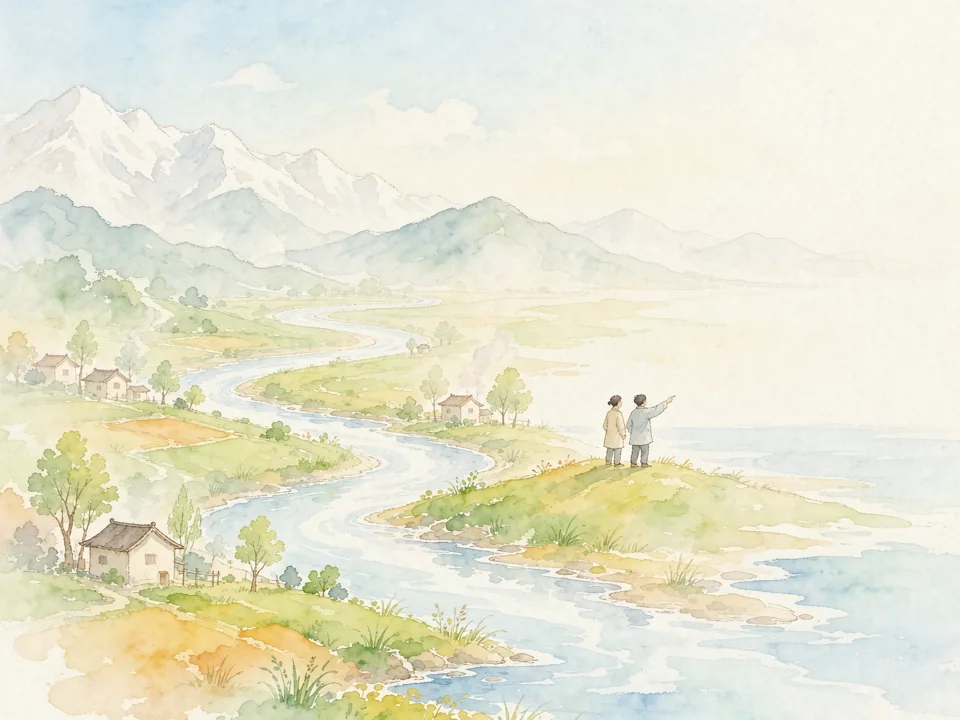
què shí 。 cóng dōng tiān děng dào xiàn zài , dǎo yě méi yǒu bái děng , shuǐ bǐ nà huì er fēng xiē le 。
Indeed. We have waited since winter, and the wait was not in vain — the water is fuller than it was then.
cóng qīng cáng gāo yuán xià lái , yí lù xiàng dōng , rào guò bù shǎo wān , zuì hòu cái zài zhè lǐ rù hǎi 。
It comes down from the Qinghai–Tibet Plateau, runs east the whole way, takes many a bend, and only at the end reaches the sea here.
大体分三段:上游穿山,中游过黄土,下游到此;地势一级一级低下去。
dà tǐ fēn sān duàn : shàng yóu chuān shān , zhōng yóu guò huáng tǔ , xià yóu dào cǐ ; dì shì yī jí yī jí dī xià qù 。
Broadly speaking, there are three stretches: the upper reaches cut through mountains, the middle reaches cross the loess, the lower reaches arrive here — and the land falls away step by step.
黄土疏松,水一冲便带走不少;泥沙随水而下,水色也就跟着变了。
huáng tǔ shū sōng , shuǐ yì chōng biàn dài zǒu bù shǎo ; ní shā suí shuǐ ér xià , shuǐ sè yě jiù gēn zhe biàn le 。
The loess is loose, and as soon as the water scours it, much is carried away; the silt travels downstream with the water, and the colour changes accordingly.
yǒu de chén zài hé chuáng , yǒu de zài hǎi kǒu màn màn yū jī , nián tóu jiǔ le biàn chéng le xīn de lù dì 。
Some settles on the riverbed; some silts up slowly at the mouth, and over the years it becomes new land.
zhèng shì 。 dì tú shàng de sān jiǎo zhōu biàn shì zhè yàng jī chū lái de , zhì jīn hái zhú nián xiàng wài shēn zhǎn 。
Precisely. That is how the delta on the map was built up, and to this day it still stretches a little further out each year.
bù zhǐ huáng hé 。 cháng jiāng tóng yàng chū zì nà piàn gāo yuán , zhǐ shì piān nán , cóng lìng yí chù rù hǎi 。
Not only the Yellow River. The Yangtze likewise rises on that same plateau, only farther south, and reaches the sea at another mouth.
qián jǐ huí liáo sān xiá 、 huà shān , yòu liáo nán běi de lěng rè , yuán lái dōu zài tóng yì zhāng tú shàng 。
On earlier occasions we spoke of the Three Gorges and Mount Hua, and then of the heat of the south and the cold of the north — so they were all on the same map after all.
shì a 。 shuǐ wǎng dī chù zǒu , rén shùn zhe shuǐ jù jū , yán lù de chéng yǔ tián biàn zhè yàng pái kāi le 。
Quite so. Water goes downhill, people settle along the water, and so the towns and fields arrange themselves along the way.
Words · 6
Useful expressions
01江边看山看水Mountains and Rivers by the Yangtze6 expressions
老师,图上这两条线是什么?
lǎo shī , tú shàng zhè liǎng tiáo xiàn shì shén me ?
Teacher, what are these two lines on the map?
你看,下面这条是长江。
nǐ kàn , xià miàn zhè tiáo shì cháng jiāng 。
Look, this lower one is the Yangtze.
长江在南,黄河在北,都往东流。
cháng jiāng zài nán , huáng hé zài běi , dōu wǎng dōng liú 。
The Yangtze is in the south, the Yellow River in the north; both flow east.
先写名字,再写方向,别急。
xiān xiě míng zi , zài xiě fāng xiàng , bié jí 。
Write the names first, then the directions. No rush.
我们把它写在本子上吧。
wǒ men bǎ tā xiě zài běn zi shàng ba 。
Let's write it down in the notebook.
好,我写好了,您帮我看看。
hǎo , wǒ xiě hǎo le , nín bāng wǒ kàn kan 。
Done — I've written it. Could you take a look?
02雨后走江岸步道The Riverwalk After Rain6 expressions
先写山,再写水,最后写船。
xiān xiě shān , zài xiě shuǐ , zuì hòu xiě chuán 。
Write the hills first, then the water, the boats last.
两边是高山,中间是江水。
liǎng biān shì gāo shān , zhōng jiān shì jiāng shuǐ 。
High hills on both sides, river water in between.
江面为什么变窄了?
jiāng miàn wèi shén me biàn zhǎi le ?
Why did the river get narrower?
峡外宽,峡里窄,水就流得急。
xiá wài kuān , xiá lǐ zhǎi , shuǐ jiù liú de jí 。
Outside the gorges it's wide, inside them narrow — so the water runs fast.
这句太长了,把它分成两句吧。
zhè jù tài zhǎng le , bǎ tā fēn chéng liǎng jù ba 。
This sentence is too long — split it into two.
我读给您听,您帮我看看顺序对不对。
wǒ dú gěi nín tīng , nín bāng wǒ kàn kan shùn xù duì bu duì 。
I'll read it to you — could you check whether the order is right?
03支流汇入口看水文Where the Tributary Meets the River6 expressions
从山下往上看,整座山像一面墙。
cóng shān xià wǎng shàng kàn , zhěng zuò shān xiàng yí miàn qiáng 。
Seen from below, the whole mountain looks like a wall.
越往上,风越大,也越凉。
yuè wǎng shàng , fēng yuè dà , yě yuè liáng 。
The higher you go, the stronger the wind and the cooler it gets.
怪不得山上树少,原来是土薄、风大。
guài bu de shān shàng shù shǎo , yuán lái shì tǔ báo 、 fēng dà 。
No wonder there are few trees up there — the soil's thin and the wind's strong.
既然石阶这么陡,就扶着铁链慢慢走吧。
jì rán shí jiē zhè me dǒu , jiù fú zhe tiě liàn màn màn zǒu ba 。
Since the steps are so steep, hold the iron chain and go slowly.
即使慢慢走,也免不了要歇几次。
jí shǐ màn màn zǒu , yě miǎn bu liǎo yào xiē jǐ cì 。
Even going slowly, you can't help stopping a few times.
说不定哪天咱们也去爬一趟。
shuō bu dìng nǎ tiān zán men yě qù pá yí tàng 。
Maybe someday we'll go climb it too.
04把雨留在院子里Keeping the Rain in the Yard6 expressions
同一天,南北差出两个季节。
tóng yì tiān , nán běi chà chū liǎng ge jì jié 。
Two seasons, one day — that's the north-south gap.
一来海把热气兜着,二来太阳还高。
yì lái hǎi bǎ rè qì dōu zhe , èr lái tài yáng hái gāo 。
For one thing the sea holds the warmth in; for another, the sun's still high.
与其说南方不冷,不如说冷法不一样。
yǔ qí shuō nán fāng bù lěng , bù rú shuō lěng fǎ bù yí yàng 。
Rather than saying the south isn't cold, it's better to say the cold works differently.
冷归冷,不钻骨头。
lěng guī lěng , bù zuān gǔ tou 。
Cold it is — but it doesn't creep into your bones.
哪怕零上十几度,湿冷也够受的。
nǎ pà líng shàng shí jǐ dù , shī lěng yě gòu shòu de 。
Even above ten degrees, damp cold is quite enough to take.
不至于,真赶上下雪,岸上看看也行。
bú zhì yú , zhēn gǎn shang xià xuě , àn shang kàn kan yě xíng 。
Surely not that bad — and if it does snow, watching from the bank is fine too.
05从高原到入海口From the Plateau to the Sea6 expressions
从青藏高原下来,一路向东,最后在这里入海。
cóng qīng zàng gāo yuán xià lái , yí lù xiàng dōng , zuì hòu zài zhè lǐ rù hǎi 。
It comes down from the Qinghai–Tibet Plateau, runs east the whole way, and finally reaches the sea here.
地势一级一级低下去,水便顺势往东走。
dì shì yì jí yì jí dī xia qu , shuǐ biàn shùn shì wǎng dōng zǒu 。
The land falls away step by step, and the water simply follows it eastward.
与其说水变了颜色,不如说它把一路的东西带了过来。
yǔ qí shuō shuǐ biàn le yán sè , bù rú shuō tā bǎ yí lù de dōng xī dài le guò lái 。
Rather than saying the water changed colour, it is better to say it brought what it passed along the way.
有的沉在河床,有的在海口慢慢淤积。
yǒu de chén zài hé chuáng , yǒu de zài hǎi kǒu màn màn yū jī 。
Some settles on the riverbed; some silts up slowly at the mouth.
正是。地图上的三角洲便是这样积出来的。
zhèng shì 。 dì tú shàng de sān jiǎo zhōu biàn shì zhè yàng jī chū lái de 。
Precisely. That is how the delta on the map was built up.
不妨就这样定下:从高原到入海口,慢慢走。
bù fáng jiù zhè yàng dìng xià : cóng gāo yuán dào rù hǎi kǒu , màn màn zǒu 。
We might as well settle it thus: from the highlands to the sea, and take our time.
Scene vocabulary
01江边看山看水Mountains and Rivers by the Yangtze29 words
02雨后走江岸步道The Riverwalk After Rain16 words
03支流汇入口看水文Where the Tributary Meets the River30 words
04把雨留在院子里Keeping the Rain in the Yard26 words
05从高原到入海口From the Plateau to the Sea30 words
Scene content comes from the uploaded HSK scene collections. Dialogues are adapted learning material, not exam audio.